
Dom Pérignon – The Champagne That Defined Luxury for Over a Century
When someone pops open a bottle of Dom Pérignon, heads turn. This isn’t just champagne – it’s the champagne, the prestige cuvée that’s graced royal weddings, Hollywood celebrations, and every significant moment worth remembering since 1936. Named after a visionary Benedictine monk who revolutionized wine-making in 17th-century France, Dom Pérignon represents Moët & Chandon’s commitment to creating only vintage champagne from exceptional harvests. Whether you’re planning the ultimate celebration, building a wine collection, or simply curious about what makes a R4,000+ bottle worth every cent, here’s everything you need to know about the champagne that turned a monk’s legacy into liquid gold.
- History: From Benedictine Monk to Global Icon
- Production Method: Vintage Perfection Every Time
- Alcohol Percentage Of Dom Pérignon: Classic Champagne Strength
- Number of Calories: Luxury Without Excessive Guilt
- Tasting Notes Of Dom Pérignon: Experiencing Liquid Perfection
- Best Served With: The Art of Perfect Pairing
- Where to Buy Dom Pérignon: Securing Your Bottle of Prestige
- FAQs: Everything You Need to Know About Dom Pérignon
History: From Benedictine Monk to Global Icon
The story begins not with champagne, but with a man: Dom Pierre Pérignon, born in December 1638 in Sainte-Menehould, Champagne, France. The youngest of seven children, Pierre lost his mother in 1639 but found purpose early. At 19, he entered the Benedictine Order at the Abbey of Saint-Vanne near Verdun, dedicating himself to prayer, study, and manual labor according to the Rule of Saint Benedict.
In 1668, Dom Pérignon was transferred to Abbaye Saint-Pierre d’Hautvillers as cellarer – essentially the monastery’s financial manager and winemaker. At the time, Champagne wines were predominantly still reds that struggled to compete with Burgundy and Bordeaux. The cool climate often stopped fermentation prematurely, and when spring arrived, dormant yeast would reawaken, causing bottles to explode violently in the cellar. This “in-bottle refermentation” was a winemaker’s nightmare.
Here’s where the myths need correcting: Dom Pérignon did NOT invent sparkling champagne. That famous quote – “Come quickly, I am tasting the stars!” – likely came from a late 19th-century print advertisement, not the monk himself. The technique for controlled sparkling wine wasn’t perfected until Widow Clicquot developed it in the 1810s, nearly a century after Dom Pérignon’s death in 1715.
So what DID Dom Pérignon do? He revolutionized wine-making through innovation that still defines champagne today. His breakthrough was blending grapes from different vineyards before pressing, creating complex cuvées rather than single-vineyard wines. He focused on Pinot Noir and Chardonnay, pruned vines aggressively for quality over quantity, harvested in cool morning conditions to prevent grape damage, and developed techniques that would eventually make controlled sparkling wine possible.
By the end of his 47 years at Hautvillers, Dom Pérignon’s wines sold for 4-5 times more than typical Champagne wines, gracing tables at Versailles and across Europe. When he died September 14, 1715, he was buried in the abbey cemetery with honors typically reserved only for abbots. His tombstone read “summa cum laude” – with highest praise.
Fast forward to 1921: Moët & Chandon created their first Dom Pérignon vintage as a prestige cuvée, though it wasn’t released until 1936 when it sailed to New York aboard the SS Normandie. The brand name came to Moët in 1927 as a wedding gift between the Mercier and Moët families. Until 1943, Dom Pérignon was essentially Moët & Chandon Vintage Champagne in special 18th-century-style bottles. From 1947 onwards, it became a separately produced champagne.
Since then, Dom Pérignon has collected accolades like trophies. In 1971, the Shah of Iran ordered the first Dom Pérignon Rosé (1959 vintage) for Persia’s 2,500-year celebration. In 1981, Prince Charles and Lady Diana served Dom Pérignon Vintage 1961 magnums with special insignia at their wedding. Today, owned by LVMH (Louis Vuitton Moët Hennessy) under Bernard Arnault, Dom Pérignon remains the world’s most prestigious vintage champagne brand.
From 1921 to 2015, only 48 vintage years have been declared – Dom Pérignon is never made in weak years. Some vintages like 1996, 2002, and 2008 are legendary among collectors. A 1996 Dom Pérignon Rosé Methuselah (6 liters) sold for £35,000+ in 2010. The brand produces at least 5 million bottles per vintage, making it simultaneously exclusive and globally available.
Production Method: Vintage Perfection Every Time
Dom Pérignon operates under one inviolable principle: only vintage champagne. Every grape in every bottle comes from a single harvest year. If that year doesn’t meet Dom Pérignon’s exacting standards, no champagne is produced. This commitment to vintages is absolute.
The process begins with grape selection from the finest Premier Cru and Grand Cru vineyards in Champagne, primarily from the original Hautvillers estate where Dom Pierre Pérignon once worked. The blend typically consists of approximately 60% Chardonnay (elegance, finesse, freshness) and 40% Pinot Noir (body, structure, richness), though exact proportions vary by vintage.
Grapes are hand-harvested at optimal ripeness, pressed gently, and undergo primary fermentation to create still base wines. The magic happens during blending: Dom Pérignon’s Cellar Master (currently Vincent Chaperon, following the legendary Richard Geoffroy who retired in 2019) tastes and blends wines from different parcels to create the perfect cuvée for that year.
The second fermentation occurs in the bottle using the traditional méthode champenoise. A liqueur de tirage (mixture of wine, sugar, and yeast) is added before bottles are sealed and cellared horizontally. The yeast consumes the sugar, creating alcohol and carbon dioxide (the bubbles), then dies and settles as lees (dead yeast cells). Dom Pérignon ages on lees for a minimum of 8-10 years before release, far longer than most champagnes.
This extended aging creates Dom Pérignon’s signature complexity. Serena Sutcliffe notes: “With age, Dom Pérignon takes on a totally seductive fresh-toast-and-coffee bouquet, one of the most intriguing scents in Champagne.”
Dom Pérignon operates on a philosophy of “plénitudes” (plenitudes) – stages of maturity when the champagne reaches peaks of harmony:
- First Plénitude: After 7-8 years, ready for initial release
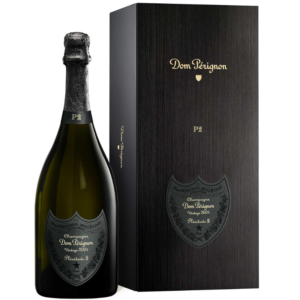
- Second Plénitude (P2): After 12-15 years, deeper complexity
- Third Plénitude (P3): After 30-40+ years, extraordinary evolution
After aging, bottles undergo riddling (turning to move sediment to the neck), disgorgement (removing sediment), and dosage (adding a small amount of wine and sugar to balance). Dom Pérignon is classified as Brut, with approximately 4g/l residual sugar – dry but not bone-dry.
Finally, bottles are sealed with natural cork, labeled, and rested before release. The entire process from harvest to your glass takes minimum 8 years, often 10-15+ years for special releases.
Alcohol Percentage Of Dom Pérignon: Classic Champagne Strength
Dom Pérignon is bottled at 12.5% ABV (Alcohol by Volume), which is standard for premium champagnes and slightly higher than the typical 12% ABV found in most sparkling wines.
At 12.5% ABV, Dom Pérignon sits in the sweet spot:
- Strong enough to provide structure and carry complex flavours
- Gentle enough for extended celebrations without overwhelming
- Perfect balance between alcohol warmth and champagne elegance
For comparison:
- Dom Pérignon: 12.5% ABV
- Most Champagnes: 12-12.5% ABV
- Prosecco: 11-12% ABV
- Still white wine: 12-14% ABV
- Vodka/Gin: 40% ABV
The 12.5% ABV is intentional – it provides enough alcohol to preserve the champagne during long aging while maintaining the delicate balance of fruit, acidity, and elegance that defines Dom Pérignon. Higher ABV would create heat and weight; lower ABV would lack structure and ageability.
This moderate alcohol content makes Dom Pérignon ideal for toasting, celebrating, and extended enjoyment. You can sip multiple glasses over an evening without the heaviness of fortified wines or spirits, allowing you to fully appreciate the champagne’s evolving character as it warms in the glass.
Number of Calories: Luxury Without Excessive Guilt
At 12.5% ABV and Brut style (4g/l residual sugar), Dom Pérignon contains approximately 95-100 calories per standard 125ml serving. A full 750ml bottle contains roughly 570-600 calories total.
Here’s the breakdown:
- 125ml glass (standard champagne serving): ~95-100 calories
- 150ml glass (generous pour): ~114-120 calories
- 750ml bottle (full bottle): ~570-600 calories total (approximately 6 servings)
These numbers come from two sources:
- Alcohol calories: 12.5% ABV = ~94ml pure alcohol per bottle × 7 calories/gram = ~490 calories from alcohol
- Carbohydrate calories: ~4g/l residual sugar × 4 calories/gram = ~12 calories from sugar per liter
For comparison:
- Dom Pérignon (125ml): ~95-100 calories
- Vodka (25ml shot): ~55 calories
- Red wine (150ml): ~125-135 calories
- Beer (330ml): ~135-150 calories
- G&T (double): ~200 calories
Dom Pérignon’s calorie count is moderate for alcoholic beverages and actually lower per serving than many beers, sweet wines, and cocktails. As a Brut champagne with minimal sugar, most calories come from alcohol itself. There are no fats, minimal carbohydrates, and trace proteins.
Interestingly, champagne’s carbonation may slow your drinking naturally, making each glass last longer than still wine. The elegant ritual of sipping from a flute also encourages mindful consumption rather than gulping.
If you’re calorie-conscious but want to indulge in Dom Pérignon, remember: one glass at 95-100 calories is reasonable. A full bottle split between two people (3 glasses each) delivers ~285-300 calories per person – about the same as one slice of pizza.
Tasting Notes Of Dom Pérignon: Experiencing Liquid Perfection
Dom Pérignon delivers dimensional complexity impossible to capture in simple tasting notes. Each vintage tells its own story. Here’s what to expect from the experience:
Appearance: Pale gold to rich golden-yellow with fine, persistent bubbles forming elegant chains rising through crystal-clear liquid. The mousse (foam) is creamy, dense, and long-lasting.
Nose: The bouquet is full and varied, mingling flowers with fruit, vegetal with mineral. Initial aromas of white flowers (orange blossom, jasmine) and stone fruit (apricot, white peach, nectarine) give way to citrus (lemon zest, grapefruit), almond, brioche, and toasted notes. With age, Dom Pérignon develops that famous “fresh-toast-and-coffee bouquet” Serena Sutcliffe described. Some vintages show mineral notes like chalk, ash, or flint. The nose is tactile and evolving – spend 10-15 minutes nosing before sipping.
Palate: Initial attack is often mineral-driven with crisp acidity balanced by fruit richness. Mid-palate reveals layers: citrus (lime, grapefruit), orchard fruit (apple, pear), tropical hints (pineapple, mango in warmer vintages), toasted bread, hazelnut, and subtle honey. The texture is creamy and velvety from extended lees aging, with fine bubbles creating elegant mousse. There’s perfect balance between richness and freshness, weight and lift, fruit and minerality.
Finish: Long, persistent, and refined. The aftertaste lingers for 30+ seconds with waves of fruit, toast, and minerality. Great vintages finish with gentle bitterness (like grapefruit pith) balanced by underlying sweetness. The final impression is elegance, harmony, and complexity.
Vintage Variations:
- 2013: Floral and mineral-forward with rhubarb, mint, and ash notes
- 2012: Rich and confident with exceptional structure
- 2008: Intense, savoury, Montrachet-like with orange peel persistence
- 2002: Opulent, layered, voluptuous – a legendary vintage
- 1996: Structured, age-worthy, now showing incredible maturity
Dom Pérignon rewards patience. Open bottles 30 minutes before serving, pour into proper champagne flutes or tulip glasses, and let the wine evolve in the glass over 60-90 minutes. Temperature matters: serve at 8-10°C (46-50°F) – cold enough to refresh but not so cold that flavours are muted.
Best Served With: The Art of Perfect Pairing
Dom Pérignon deserves thoughtful presentation and pairing befitting its pedigree.
Serving Ritual
- Chill to 8-10°C (use an ice bucket for 20-30 minutes)
- Open gently – no theatrical popping. Hold bottle at 45° angle, twist bottle (not cork), ease cork out slowly
- Pour into champagne flutes or tulip glasses (never wide coupes – they lose bubbles)
- Fill one-third full initially, let foam settle, top to two-thirds full
- Sip slowly over 60-90 minutes, allowing champagne to warm and evolve
Food Pairings
Dom Pérignon’s complexity makes it incredibly versatile:
Seafood: Oysters (classic pairing), sushi/sashimi, lobster, scallops, crab, grilled prawns, smoked salmon Poultry: Roast chicken, duck breast, quail, turkey (especially for special occasions) Cheese: Parmigiano-Reggiano, aged Comté, Brie, Camembert, goat cheese Appetizers: Caviar (ultimate luxury pairing), foie gras, truffle dishes, delicate canapés Asian: Dim sum, peking duck, tempura, Thai cuisine (Dom Pérignon’s acidity cuts through spice) Desserts: Fruit tarts, lemon desserts, almond-based pastries, macarons
For South African cuisine, try Dom Pérignon with:
- Line fish grilled with lemon butter
- West Coast mussels
- Karoo lamb prepared delicately
- Cape Malay samoosas and koeksisters (the contrast works!)
Occasions
Dom Pérignon is reserved for:
- Weddings, engagements, anniversaries
- Major business milestones (IPOs, acquisitions, promotions)
- Milestone birthdays (30th, 40th, 50th, 60th)
- New Year’s Eve and special holidays
- Investment celebrations
- “Because you can” moments
Many purists argue Dom Pérignon is best enjoyed alone as an aperitif, allowing full appreciation of its complexity without food competition. This is valid – sometimes the champagne IS the event.
Where to Buy Dom Pérignon: Securing Your Bottle of Prestige
Dom Pérignon is available at premium retailers across South Africa, though stock varies by vintage and format.
Specific Retailers (South Africa)
WhiskyBrother (Online) Product: Dom Pérignon 2013 Champagne 750ml Website: whiskybrother.com Blend: 60% Pinot Noir, 40% Chardonnay ABV: 12.5% Free SA shipping on orders over R500
Strauss & Co (Auction House) Products: Dom Pérignon various vintages at wine auctions Recent sales: 2008 Brut (3 bottles) sold R21,105-R22,278 including premium Locations: Johannesburg, Cape Town Website: straussart.co.za Note: Premium collector vintages, bidding required
Norman Goodfellows Multiple locations: Johannesburg (Morningside, Sandton), Pretoria, Cape Town, Durban Products: Current Dom Pérignon releases Website: ngf.co.za Contact: Check website for nearest location
Makro Available at: Makro stores with premium liquor sections Products: Dom Pérignon Brut (current vintage) Note: Call ahead to confirm stock
Checkers/Shoprite Liquor Selected premium Checkers locations Products: Dom Pérignon (availability varies) Website: checkers.co.za
Pick n Pay Liquor Selected stores with premium sections Products: Dom Pérignon current releases Website: pnp.co.za
RGBC (Retail Group Business Concepts) Distributor: Official Dom Pérignon distribution in South Africa Website: rgbc.co.za Contact retailers listed on website
Wine-Searcher.com International price comparison showing South African retailers Average price: $236 USD (~R4,500) per 750ml globally Website: wine-searcher.com
Prices (South Africa, 2025)
Standard Releases:
- Dom Pérignon Brut (current vintage, e.g. 2013): R3,500-R4,500 per 750ml
- Dom Pérignon Rosé (current vintage): R5,500-R7,500 per 750ml
- Dom Pérignon P2 (Second Plénitude): R8,000-R12,000 per 750ml
- Dom Pérignon P3 (Third Plénitude): R15,000-R25,000+ per 750ml
Collector/Auction Prices:
- Older vintages (1990s-2000s): R5,000-R15,000 depending on vintage quality
- Exceptional vintages (1996, 2002, 2008): R8,000-R20,000
- Rare formats (Magnum 1.5L, Jeroboam 3L): R12,000-R50,000+
- Legacy editions and special releases: R15,000-R100,000+
Restaurant/Club Pricing (per bottle):
- Mid-range restaurants: R6,000-R9,000
- Upmarket restaurants: R8,000-R12,000
- Luxury hotels (Saxon, One&Only): R10,000-R15,000
- Exclusive clubs (Sandton, Cape Town): R12,000-R18,000
Per Glass (where available):
- Upmarket establishments: R600-R900 per 125ml glass
- Luxury hotels: R800-R1,200 per glass
Pricing Notes:
- Prices fluctuate with Rand/Euro exchange rates
- Older vintages appreciate over time
- Limited releases and collector vintages command premium pricing
- Auction results can exceed retail significantly
- Always verify authenticity when buying older vintages privately
FAQs: Everything You Need to Know About Dom Pérignon
Why is Dom Pérignon so expensive? Dom Pérignon costs R3,500-R4,500+ because it’s only made in exceptional vintage years (only 48 vintages from 1921-2015), ages minimum 8-10 years before release (most champagnes age 2-3 years), sources grapes exclusively from Premier Cru and Grand Cru vineyards, undergoes extensive hand-crafting and quality control, and carries LVMH’s prestige brand premium. You’re paying for time, rarity, quality, and heritage.
What does “vintage champagne” mean? Vintage champagne means all grapes in that bottle come from a single harvest year. Most champagnes are “non-vintage” (NV) – blends of multiple years for consistency. Dom Pérignon is ALWAYS vintage, declaring only exceptional years. If the harvest doesn’t meet standards, no Dom Pérignon is produced that year. This commitment to vintages is what makes Dom Pérignon special.
How long can Dom Pérignon be stored? Unopened Dom Pérignon can age 20-40+ years if stored properly (horizontal, cool 10-15°C, dark, humid environment). The plénitude concept suggests it peaks at multiple stages: 7-8 years (first release), 12-15 years (P2), and 30-40+ years (P3). Great vintages like 1996, 2002 can last 50+ years. Once opened, consume within 24 hours maximum (use champagne stopper, refrigerate).
What’s the difference between Dom Pérignon and Moët & Chandon? Moët & Chandon produces several champagnes including non-vintage Brut Impérial (R600-R900), Grand Vintage (R1,500-R2,000), and the prestige cuvée Dom Pérignon (R3,500-R4,500+). Dom Pérignon is Moët’s flagship, made only in exceptional years with extended aging and premium pricing. Think of it like Toyota vs. Lexus – same parent company, different quality tiers.
Should I drink Dom Pérignon now or age it? Dom Pérignon is released when ready to drink (first plénitude). You can enjoy immediately or cellar for P2 (12-15 years from vintage) or P3 (30-40+ years). Most people drink within 2-5 years of purchase for freshness and fruit. If you have proper cellaring conditions and patience, aging rewards with complexity. No wrong answer – it’s magnificent at every stage.
Can you mix Dom Pérignon in cocktails? Technically yes, but it’s considered sacrilege by champagne purists. At R3,500-R4,500 per bottle, using Dom Pérignon in mimosas or Bellinis is wasteful – save it for sipping neat. Use quality but affordable champagne (R300-R600) for cocktails instead. Dom Pérignon deserves to be appreciated on its own terms.
What’s the best Dom Pérignon vintage to buy? Legendary vintages include 1996 (structured, age-worthy), 2002 (opulent, accessible), 2008 (intense, mineral), 2012 (rich, confident), and 2013 (floral, elegant). Current releases (2013-2015) are excellent and readily available. For investment, buy 1996, 2002, 2008 if you can find them. For drinking, buy whatever current vintage is available – Dom Pérignon doesn’t make bad champagne.
Is Dom Pérignon worth the price? Worth is subjective. For champagne enthusiasts, collectors, and special occasions, absolutely – you’re buying 8-10+ years of aging, exceptional quality, and prestige heritage. For casual drinkers, quality champagne at R800-R1,500 may be better value. Dom Pérignon delivers world-class complexity but requires appreciation to justify the cost. It’s not “better” than all champagne – it’s different, prestigious, and yes, genuinely exceptional.
Whether you’re toasting a major milestone, building a wine collection, or treating yourself to something extraordinary, Dom Pérignon delivers an experience that transcends ordinary champagne. From the Benedictine monk’s 17th-century innovations to LVMH’s modern mastery, every bottle represents 300+ years of winemaking excellence and 8-10+ years of patient aging.
This isn’t champagne for Tuesday nights or casual braais. This is liquid history, served ice-cold, designed for moments when only the best will do. When you hear that gentle “pffft” of a properly opened Dom Pérignon and watch those elegant bubbles rise in crystal flutes, you’re not just drinking champagne – you’re tasting perfection.
So raise your glass to the monk who started it all, to the cellar masters who perfected his vision, and to yourself for choosing the champagne that defines luxury.
Santé (that’s French for “cheers”) – or as we say in South Africa, Gesondheid to the good life!