
Cruxland Gin: KWV’s Award-Winning Kalahari Truffle Gin That Captured World’s Best Honours
When a gin wins the World’s Best London Dry Gin award at the World Gin Awards and sources its signature botanical from nomadic hunters waiting patiently in the Kalahari Desert during first rains, you’re experiencing something extraordinary. Cruxland Gin, produced by KWV (Ko-operatieve Wijnbouwers Vereniging) in Paarl, South Africa, is a premium handcrafted gin that combines the earthy mystique of rare Kalahari truffles (N’abba – foraged by desert hunters) with 8-9 exceptional botanicals including rooibos, honeybush, juniper, cardamom, coriander, and aniseed. Distilled from 100% pure grape spirit base (reflecting KWV’s wine heritage), double distilled in a 500-liter copper pot still with the truffle infused separately and blended afterward, bottled at 43% ABV, and cold-filtered for silky smoothness, this award-winning gin delivers herbal, earthy, distinctly South African character. Available in South Africa at R349-R399.99 per 750ml (Makro R349 best price, Woolworths, Checkers, Norman Goodfellows, Woodstock Liquors, KWV Direct), Cruxland Gin isn’t just gin – it’s African terroir, Kalahari heritage, and KWV’s world-class distilling expertise condensed into a bottle. Here’s everything you need to know about South Africa’s most award-winning truffle gin.
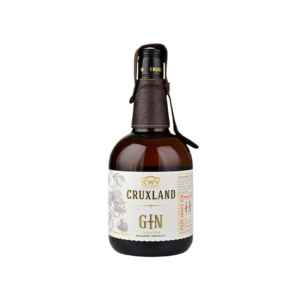
History:
KWV: South Africa’s Wine and Spirits Giant (Founded 1918)
Before Cruxland Gin existed, there was KWV – the legendary South African wine and spirits producer. Founded in 1918 in Paarl (Western Cape), KWV began as a cooperative of Cape wine farmers seeking to pool resources, standardize quality, and compete globally. Over a century later, KWV remains one of South Africa’s most respected producers, known for award-winning brandies (KWV 57 Cognac-style brandy, KWV Rich Reserve), premium wines, and increasingly, craft spirits.
KWV’s strength lay in its unrivalled access to 72 growers across every Western Cape region, providing access to all South Africa’s grape varietals and wine terroirs. This grape sourcing advantage would become crucial to Cruxland’s creation.
The Cruxland Vision: Truffle Meets Terroir (2010s)
In the 2010s, KWV’s master distillers recognized a revolutionary opportunity: What if we combined KWV’s distilling excellence, South African grape spirit base, and indigenous botanicals with Africa’s rarest ingredient – the Kalahari truffle?
The Kalahari truffle (Sclerocarya Birrea), also called the N’abba or Marula truffle, grows only in the arid plains of the Kalahari Desert in southern Africa. Unlike European Périgord or black truffles (cultivated in controlled environments), Kalahari truffles are foraged by nomadic N’abba hunter communities who possess generations of desert knowledge. They wait patiently during the first rains when these rare gems push through the cracked earth, using traditional methods to locate and harvest them sustainably.
These truffles are extraordinarily rare, intensely earthy, and prized for their umami, spice, and complex mineral character. They’d never been systematically used in spirits before.
KWV saw potential: Combine the Kalahari truffle (representing African wilderness and indigenous knowledge) with classic gin botanicals (juniper, coriander, cardamom) and South African botanicals (rooibos, honeybush, buchu), using 100% grape spirit base (reflecting KWV’s wine heritage), and you’d create a gin unlike anything globally.
The vision was to express South Africa – not just Western Cape vineyards, but the Kalahari Desert itself, its ancient soils, its indigenous peoples’ knowledge, its terroir.
Development and Launch
KWV’s master distillers spent years perfecting the recipe:
- Testing different truffle quantities and preparation methods
- Balancing truffle earthiness against juniper tradition
- Selecting the optimal botanicals (settling on 8-9, with rooibos and honeybush anchoring the South African identity)
- Developing the double distillation + separate truffle infusion method (preserving delicate truffle character)
- Achieving the silky mouthfeel through careful copper pot still work and cold filtering
Cruxland Gin launched commercially in the mid-2010s. The name “Cruxland” signifies the “crux” (crucial intersection) of African wilderness (Kalahari) and refined distilling craft.
World Gin Awards Win: “World’s Best London Dry Gin”
Cruxland’s breakthrough came when it won the World Gin Awards’ “World’s Best London Dry Gin” – a prestigious international recognition. Despite being unconventional (using truffle, grape spirit base, African botanicals rather than European classics), Cruxland impressed global judges by delivering:
- Technical excellence: Perfect balance, exceptional smoothness, masterful distillation
- Originality: Unique character expressing Kalahari terroir, not following global trends
- Authenticity: Genuine South African identity, sustainable truffle sourcing, indigenous knowledge respect
- Quality: Award-winning botanical selection, premium ingredients, artisan production
The World Gin Awards endorsement positioned Cruxland as Africa’s flagship gin and one of the world’s premier luxury offerings.
Expansion: Black Winter Truffle Variant (Recent)
Building on Cruxland Kalahari’s success, KWV released Cruxland Gin Infused with Black Winter Truffles – featuring rare Périgord truffles (originally exclusive to Southern Europe, now cultivated in select South African regions). This variant:
- Uses 13 botanicals (versus the original 8-9)
- Delivers richer, more luxurious character
- Targets ultra-premium market segment
- Represents KWV’s expanding truffle gin portfolio
Today: South African Premium Icon
In 2025, Cruxland Gin stands as:
- South Africa’s most internationally acclaimed gin
- KWV’s flagship gin expression
- A symbol of African terroir and indigenous knowledge in global spirits
- Available in 170+ countries
- Consistently awarded at international competitions
Production remains carefully controlled (double distilled in small batches in Paarl), ensuring consistency and quality despite global demand.
Production Method:
Cruxland Gin’s production methodology is as distinctive as its flavor profile.
Ingredients: Rare Truffles and Botanical Excellence
Base Spirit: 100% Pure Grape Spirit Unlike traditional gin (typically grain spirit-based), Cruxland uses pure grape spirit – reflecting KWV’s wine heritage and South African identity. This grape base:
- Provides subtle fruit undertones supporting the botanicals
- Connects to South African terroir and wine regions
- Creates silky mouthfeel different from grain-based gins
- Requires higher distilling standards (grape spirit is delicate and complex)
KWV sources grapes from 72 growers across Western Cape regions, selecting varietals perfect for spirit production.
The Star Botanical: Kalahari Truffles (N’abba) Foraged from the Kalahari Desert by nomadic N’abba hunter communities during first rains. These rare gems:
- Grow only in arid Kalahari plains
- Require traditional knowledge to locate sustainably
- Deliver intense earthiness, umami, complex spice character
- Support indigenous N’abba communities (fair trade principles)
- Are extraordinarily rare and precious
Supporting Botanicals (8-9 total):
- Juniper berries – Traditional gin backbone, piney, resinous, fresh
- Coriander seeds – Citrus, spice, complexity
- Cardamom – Warm spice, herbal, exotic
- Aniseed – Licorice, sweetness, aromatic depth
- Almond – Subtle nuttiness, soft sweetness
- Lemon – Bright citrus, zestiness
- Rooibos (South African) – Earthy, vanilla-like, warming
- Honeybush (South African) – Sweet, honey-like, floral, herbal
- Additional fynbos/botanicals (proprietary blend) – Regional character
The botanical selection balances traditional gin with South African identity, respecting gin convention while celebrating terroir.
Distillation Process: Grape Spirit + Separate Truffle Infusion
First Distillation: The 100% grape spirit is distilled with most botanicals (juniper, coriander, cardamom, aniseed, almond, lemon, rooibos, honeybush) in a 500-liter copper pot still. Most botanicals are infused together using traditional “steeping in a teabag” method, allowing alcohol vapors to extract essential oils and flavors gradually.
Copper interaction removes sulfur compounds, adds smoothness, and concentrates flavors. Temperature control ensures delicate botanical character isn’t burned or harshened.
Separate Truffle Distillation: Kalahari truffles are distilled separately in the same copper still. This protects the delicate, complex truffle character from being overpowered or cooked away with other botanicals. Separate distillation allows precise control of truffle extraction intensity.
Blending: After both distillation runs complete, the truffle distillate is carefully blended into the main spirit at calculated ratios, achieving perfect balance. This approach (versus macerating all botanicals together) ensures:
- Truffle character shines through (not lost among others)
- Juniper tradition respected (not overwhelmed)
- Silky smoothness achieved (all elements integrated harmoniously)
- Consistency bottle-to-bottle (precise blending ratios)
Cold Filtering: The final spirit is cold-filtered through activated charcoal, removing impurities and heavy compounds while preserving aromatic volatiles. Cold filtering (versus traditional filtering) is gentler, retaining delicate floral and herbal nuances.
Dilution to 43% ABV: The final distillate is diluted with pure water to 43% ABV (higher than 40% standard gin, delivering more flavor intensity and premium character).
The result: 100% grape spirit base, 8-9 botanicals including rare Kalahari truffle, double distilled for purity, cold-filtered for smoothness, 43% ABV for intensity and elegance.
Alcohol Percentage:
Cruxland Gin is bottled at 43% ABV (Alcohol by Volume) / 86 Proof.
At 43% ABV, Cruxland sits in the premium craft gin category:
- Higher than standard gins (40% ABV like Gordon’s, Beefeater)
- Comparable to craft gins (Hendrick’s at 44%, Tanqueray 10 at 47.3%)
- Lower than navy strength gins (57%+ ABV)
The 43% ABV delivers:
- More flavor intensity: Higher alcohol carries botanical aromatics and truffle character more effectively
- Premium positioning: Signals quality and craft production
- Cocktail versatility: Stands up to mixers without being diluted, yet sips elegantly neat
- Warming alcohol character: Complements earthy, spicy truffle notes
750ml Bottle = 322.5ml Pure Alcohol (at 43% ABV)
- Approximately 25.8 standard drinks per 750ml bottle (25ml shot = 1.03 standard drinks)
Number of Calories:
At 43% ABV with no added sugars (pure distilled gin from botanicals), Cruxland contains approximately:
Per 25ml shot (single):
- 60 calories
- All from alcohol (ethanol)
- Zero carbs, zero sugar, zero fat
Per 50ml double:
- 120 calories
Per 750ml bottle:
- 1,800 calories total
For comparison (per 50ml):
- Cruxland Gin (43% ABV): ~120 calories
- Standard gin (40% ABV): ~112 calories
- Premium craft gins (44% ABV): ~123 calories
- Vodka (40% ABV): ~112 calories
The slightly higher ABV (43%) means marginally more calories than 40% gins, but the difference is minimal (8 calories per double). All calories derive from alcohol – no sugar, no carbs, no fat.
Tasting Notes:
Appearance: Crystal clear – brilliantly transparent. Some bottles show faint golden hues from grape spirit base and extended contact with botanicals. Clean, pristine, inviting.
Nose: Pronounced juniper leads (piney, resinous, fresh green), immediately signaling gin heritage. Beneath and woven throughout: Earthy truffle character – mineral, umami, slightly spicy, distinctly Kalahari-like. Herbal and vegetal notes emerge – rooibos earthiness, honeybush sweetness, subtle fynbos. Citrus – lemon zest, bright and zesty. Spice – cardamom, aniseed, warming. Nutty undertones – almond subtlety. Aromatic complexity that suggests African wilderness and refined distilling mastery.
Palate: Herbal and earthy – the Kalahari truffle character dominates, creating savory, umami-rich foundation. Juniper follows but doesn’t overwhelm – respectfully supporting rather than leading. Coriander and cardamom spice add warmth and complexity. Rooibos and honeybush provide earthiness and subtle sweetness (redbush tea notes). Lemon citrus brightens and lifts. Smooth, silky mouthfeel (grape spirit base and cold filtering create elegance). Well-balanced – no single element dominates, all botanicals integrate harmoniously. Medium-full body – substantial yet refined.
Finish: Crisp and refreshing with lingering spice (cardamom, aniseed warmth). Herbal dryness fades to soft, earthy sweetness. Long finish – the truffle character lingers pleasingly, mineral and slightly peppery. Medium-long length – satisfying without overstaying. Finish invites contemplation or another sip.
With Tonic: The juniper and citrus brighten with tonic’s quinine. Truffle character softens but remains distinctive. Cardamom and aniseed spice emerge more prominently. Creates refreshing yet sophisticated G&T that’s distinctly South African.
Overall Impression: Cruxland is bold, brash, and unapologetically African – as one reviewer noted. It respects gin tradition (juniper, dry, crisp) while declaring “this gin is from the Kalahari.” It’s earthy, herbal, distinctly savory (not fruity or floral like many gins), intensely South African. Perfect for those seeking terroir-driven spirits, indigenous botanical celebration, award-winning craft excellence, and conversation-starting uniqueness. Not for everyone (the truffle earthiness is polarizing – love-it-or-hate-it) – but for those who embrace it, Cruxland delivers unparalleled character.
Best Served With:
Serving Suggestions:
Classic G&T: 50ml Cruxland + premium tonic (Indian, Fever-Tree preferred) + ice + lemon twist. The signature serve, letting truffle character shine.
Martini (Dry): 60ml Cruxland + 10ml dry vermouth + ice. Stirred (or shaken), olive or lemon twist. The herbal earthiness takes center stage.
Negroni: 30ml Cruxland + 30ml Campari + 30ml sweet vermouth. Stirred, over ice, orange twist. Earthy gin balances bitter Campari beautifully.
Tom Collins: 50ml Cruxland + 25ml lemon juice + 15ml simple syrup + soda water. Refreshing but earthy – unusual Collins.
Neat (Tasting): Room temperature in Glencairn or copa glass. Appreciate the Kalahari character, botanical complexity, truffle earthiness.
Food Pairings:
- Game & Meat: Venison, kudu, boerewors, biltong – earthy gin complements game perfectly
- Seafood: Smoked fish, oysters (umami truffle pairs beautifully with oyster briny sweetness)
- Cheese: Aged cheddar, gouda, blue cheese, biltong & cheese platters
- South African Cuisine: Bouillabaisse, Cape Malay curry, sosaties (truffle character complements spice)
- Braai: Steak, lamb chops, pap (earthy gin pairs with smoky char)
- Mushroom-Based Dishes: Mushroom risotto, wild mushroom soup (truffle-to-truffle pairing!)
Where to Buy (South Africa)
Makro
- Products: Cruxland London Dry Gin Kalahari Truffles 750ml, Cruxland Black Winter Truffles 750ml
- Price: R349.00 (both variants – best price!)
- Available: Makro stores nationwide
- Website: makro.co.za
Woolworths
- Product: KWV Cruxland London Dry Gin Infused With Kalahari Truffles 750ml
- Price: R369.99
- Available: Woolworths stores with liquor sections
- Website: woolworths.co.za
Checkers / Checkers Sixty60
- Product: Cruxland Gin 750ml
- Available: Checkers Liquor nationwide
- Website: checkers.co.za
Hillcrest Tops (KZN)
- Product: Cruxland Gin 750ml
- Price: R399.99
- Location: Hillgate Centre, Hillcrest
- Website: hillcresttops.co.za
Norman Goodfellows
- Product: Cruxland Kalahari Truffles Gin 750ml
- Available: Multiple locations (JHB, PTA, CPT, DBN)
- Website: ngf.co.za
Woodstock Liquors (Cape Town)
- Product: Cruxland Gin 750ml
- Available: In-store and online
- Website: woodstockliquors.co.za
KWV Direct
- Products: All Cruxland expressions (Kalahari Truffles, Black Winter Truffles, Limited Releases)
- Available: Order direct from KWV
- Website: kwv.co.za
Big Five Duty Free
- Product: KWV Cruxland Gin 750ml, 1L
- Available: In-store and online
- Website: bigfivedutyfree.co.za
Prices (South Africa, 2025)
750ml Bottle:
- R349-R399.99
- Makro: R349 (best price for both Kalahari & Black Winter!)
- Woolworths: R369.99
- Hillcrest Tops: R399.99
- Norman Goodfellows / Woodstock: Competitive pricing
1 Liter Bottle:
- R450-R500 (estimated)
Bar/Restaurant Pricing:
- 50ml G&T: R70-R100
- 50ml double shot: R60-R90
- Cocktails: R80-R120
FAQs: Everything You Need to Know
What is a Kalahari truffle and where do they come from? Kalahari truffles (Sclerocarya Birrea, also called N’abba or Marula truffles) grow only in the arid plains of the Kalahari Desert in southern Africa. They’re foraged by nomadic N’abba hunter communities who possess generations of desert knowledge. During the first rains, these rare gems push through cracked earth. Hunters wait patiently using traditional methods to locate and harvest them sustainably. Kalahari truffles are extraordinarily rare, intensely earthy, and deliver umami, spice, and mineral character impossible to replicate.
How does Cruxland’s grape spirit base differ from grain-based gins? Traditional gins use grain spirit (from wheat, corn, barley). Cruxland uses 100% grape spirit – reflecting KWV’s wine heritage and South African identity. Grape spirit provides:
- Subtle fruit undertones supporting botanicals (not neutral like grain)
- Silky mouthfeel and smoothness
- Connection to South African terroir
- Higher distilling standards (grape is delicate and complex)
- Unique character distinguishing Cruxland from global competitors
Why is the truffle distilled separately? Kalahari truffles possess delicate, complex character that can be lost if boiled with other botanicals. Separate distillation:
- Protects truffle character from overpowering or cooking away
- Allows precise extraction control
- Ensures truffle flavor shines through (not overwhelmed by juniper/coriander)
- Maintains consistency bottle-to-bottle (precise blending ratios)
- Creates harmonious integration of all elements
What’s the difference between Cruxland Kalahari and Black Winter variants? Kalahari Truffles: Original expression, 8-9 botanicals, award-winning. Black Winter Truffles: Newer variant, 13 botanicals, uses rare Périgord truffles (originally European, now cultivated in SA), richer and more luxurious character, ultra-premium positioning.
Won Cruxland really win “World’s Best London Dry Gin”? Yes! At the World Gin Awards, Cruxland Gin Infused with Kalahari Truffles won the prestigious “World’s Best London Dry Gin” award, competing against gins globally. This recognition validates technical excellence, originality, quality, and authenticity – despite being unconventional (truffle, grape spirit base, African botanicals).
How should Cruxland be stored? Store upright, cool (15-20°C), dark place away from sunlight. Once opened, consume within 1-2 years for optimal botanical freshness and truffle character. Unopened bottles last indefinitely.
Is Cruxland gin gluten-free? Yes – distillation removes gluten proteins. Although botanicals may be sourced from plants, the distillation process leaves gin gluten-free. Most celiac disease sufferers tolerate distilled spirits safely (though individuals should verify comfort levels).
Why is Cruxland more expensive than standard gins? Cruxland costs more (R349-R399 vs. R150-R250 for mass-market gins) because:
- Rare Kalahari truffle sourcing (expensive, limited availability, fair trade practices)
- 100% grape spirit base (requires premium grapes and higher distilling standards)
- Award-winning production (master distillers, careful methods, small batches)
- KWV’s reputation and quality standards
- Limited production (small-batch, handcrafted approach)
Whether you’re seeking award-winning terroir-driven gin, indigenous botanical celebration, African wilderness in liquid form, or simply the world’s best London Dry Gin according to global judges, Cruxland Gin delivers unparalleled excellence.
From Kalahari Desert truffle hunters to KWV’s Paarl copper pot stills, from 100% grape spirit to masterful botanical blending, from World Gin Awards honors to your glass in Mzansi, every sip represents African heritage, distilling mastery, and the courage to create something genuinely unique.
Raise your Cruxland G&T high – toast to South African excellence, to the N’abba truffle hunters of the Kalahari, and to KWV’s revolutionary vision of African terroir in gin form. Gesondheid to the world’s finest gin!