
Inverroche Classic Gin: Still Bay’s Fynbos-Infused Pioneer That Put South African Craft Gin on the Global Map
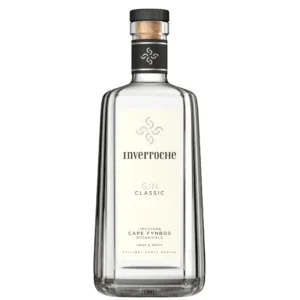
When a gin captures the essence of the Cape Floral Kingdom – one of Earth’s most biodiverse plant regions with over 9,000 endemic species – in a crystal-clear bottle, you’re experiencing something truly unique. Inverroche Classic Gin, founded by Lorna Scott and her family in Still Bay, Western Cape, stands as South Africa’s pioneering craft gin and a global ambassador for fynbos botanicals. Hand-distilled in small batches of just 250 bottles using 15 unique botanicals (including indigenous fynbos from limestone-rich lowlands), vapor-infused through a specialized pot still process, and bottled at 43% ABV, this award-winning gin delivers upfront green juniper, soft floral bouquet, summer citrus, rose petals, and a crisp dry spicy finish. Available in South Africa at R459-R549.99 per 750ml bottle (Norman Goodfellows, Checkers, Takealot, Woolworths, Mothercity Liquor), Inverroche Classic isn’t just gin – it’s the Cape in liquid form, distilled passion for indigenous botanicals, and proof that South African craft spirits rival anything globally. Here’s everything you need to know about the gin that turned Still Bay into a distilling destination.
History:
The Name: Inverroche (Water Meets Rock)
Before there was gin, there was a name steeped in ancestry and geography. “Inverroche” combines French (“roche” = rock) and Gaelic (“inver” = convergence of water), representing Lorna Scott’s French and Gaelic heritage while perfectly describing Still Bay’s rugged coastal landscape where ocean waves meet limestone cliffs. The name embodies the brand’s essence: the convergence of natural elements creating something extraordinary.
Lorna Scott and Family: The Early 2000s Vision
In the early 2000s, Lorna Scott and her family – deeply connected to Still Bay’s coastal community in the Western Cape – embarked on an adventurous journey driven by curiosity, passion for nature, and desire to celebrate South Africa’s unique botanical heritage.
Still Bay (Stilbaai), located approximately 400km east of Cape Town along the Garden Route, is a small coastal town (population ~7,000) known for pristine beaches, limestone caves, and proximity to the Cape Floral Kingdom – one of six floral kingdoms globally and the smallest yet most biodiverse, containing over 9,000 plant species (70% endemic).
The Scotts recognized that fynbos – the indigenous shrubland vegetation dominating the Cape – offered aromatic, flavorful botanicals perfect for gin distillation. While European gins relied on traditional botanicals (juniper, coriander, angelica), nobody had systematically explored fynbos for craft spirits.
This was revolutionary. South Africa’s gin market in the early 2000s was dominated by imports (Bombay Sapphire, Tanqueray, Hendrick’s) and mass-market local brands. Craft gin didn’t exist. Inverroche would pioneer it.
Building the Distillery (2006-2010)
Starting as a small home industry in Still Bay, the Scotts invested in copper pot stills, learned traditional distillation methods, and began experimenting with fynbos botanicals. The learning curve was steep – which fynbos species worked? How much? Fresh or dried? Vapor infusion or maceration?
The family hand-harvested fynbos from the limestone-rich soils of the lowlands surrounding Still Bay, sourcing sustainably and ethically (never overharvesting, protecting biodiversity, respecting the Cape Floral Kingdom’s fragility).
After years of experimentation, they developed three distinct expressions:
- Classic Gin – Crystal clear, juniper-forward with delicate fynbos florals (lowland botanicals)
- Verdant Gin – Translucent golden-green, floral and soft (mountainous terrain botanicals)
- Amber Gin – Amber-colored, rich and aromatic (coastal dunes botanicals)
Each expression reflected different fynbos microclimates and terroirs, creating a portfolio showcasing the Cape Floral Kingdom’s diversity.
Official Launch and Growth (2011-2017)
By 2011, Inverroche officially launched commercially. The timing was perfect – global craft gin renaissance was beginning, consumers sought authenticity and provenance, and South Africa’s cocktail culture was emerging.
Within 6 years, Inverroche transformed from home industry to flourishing craft distillery. The brand achieved:
- National distribution (Woolworths, Pick n Pay, Checkers, independent retailers)
- Export markets (UK, Europe, USA, Asia)
- Awards and recognition (The Gin Guide Winner, international spirits competitions)
- Tourism destination (distillery tours, tastings, gin school)
Inverroche became synonymous with South African craft gin, inspiring dozens of imitators and establishing “fynbos gin” as a category.
Pioneering South African Craft Gin
Inverroche’s impact cannot be overstated. Before Inverroche:
- SA craft gin didn’t exist commercially
- Fynbos botanicals weren’t used in spirits
- Still Bay wasn’t a spirits destination
After Inverroche:
- SA now has 200+ craft distilleries
- Fynbos gin is recognized globally
- Still Bay attracts gin tourists worldwide
Brands like Musgrave, Hope on Hopkins, Bloedlemoen, Wild Africa Cream, and dozens more followed Inverroche’s blueprint: indigenous botanicals + artisan production + South African identity.
Today: Global Ambassador for SA Craft Spirits
In 2025, Inverroche remains family-owned, Still Bay-based, and committed to fynbos sustainability. Production continues in small batches (250 bottles), ensuring quality and artisan character. The distillery expanded to produce rum and liqueurs while maintaining gin as the flagship.
Inverroche Classic Gin sits on bar shelves from Cape Town to London to New York, representing South African botanical heritage and craft excellence globally.
Production Method:
Inverroche Classic Gin embodies meticulous craft, indigenous botanical selection, and traditional pot still distillation.
Botanical Selection: 15 Indigenous and Traditional Ingredients
Inverroche Classic uses 15 carefully selected botanicals, blending traditional gin essentials with unique fynbos:
Traditional Gin Botanicals:
- Juniper berries (Juniperus communis): The legal requirement for gin, providing piney, resinous, fresh green character
- Coriander seeds: Citrus, spice, complexity
- Angelica root: Earthy depth, binding aromatics
- Cassia bark: Warm spice, cinnamon-like notes
- Cardamom: Exotic spice, herbal complexity
Fynbos Botanicals (Indigenous Cape Flora):
- Buchu (Agathosma species): Aromatic shrub with blackcurrant/mint character, traditional Khoisan medicine
- Honeybush (Cyclopia species): Sweet, honey-like, floral
- Rooibos (Aspalathus linearis): Earthy, vanilla notes
- Cape May and other endemic fynbos species: Floral, herbaceous, unique to the Cape
Citrus:
- Fresh citrus peels (lemon, orange): Bright, zesty, aromatic
Other Botanicals:
- Rose petals: Floral elegance
- Various secret fynbos species: Proprietary blend
All fynbos is hand-harvested from the limestone-rich soils of Still Bay’s lowlands, ensuring sustainable sourcing and peak aromatic quality.
Distillation Process:
Base Spirit: Inverroche starts with neutral grain spirit (likely sugarcane-based, common in SA), providing a clean canvas for botanicals.
Vapor Infusion Method: Rather than macerating botanicals directly in the spirit (traditional London Dry method), Inverroche uses vapor infusion:
- Botanicals (dried and fresh) are placed in a specialized steam basket suspended above the boiling spirit in the copper pot still
- As the spirit heats and vaporizes, alcohol vapor rises through the botanical basket
- The vapor gently extracts essential oils, aromatics, and flavors from the botanicals without boiling them directly
- The infused vapor condenses back into liquid, carrying delicate botanical character
Vapor infusion creates softer, more elegant botanical expression than maceration – less harsh extraction, more nuanced flavors, lighter mouthfeel.
Double Distillation: Inverroche undergoes double distillation in small batches of 250 bottles (approximately 187.5 liters):
- First Distillation: Creates the base spirit infused with botanicals
- Second Distillation: Refines and purifies, concentrating aromatics and smoothness
The copper pot stills remove sulfur compounds and impurities while enhancing smoothness and complexity.
Cutting: Master distillers carefully separate “heads” (volatile, harsh compounds), “hearts” (the good stuff – pure, aromatic, smooth), and “tails” (heavy, oily compounds). Only the hearts are kept for bottling.
Dilution and Bottling: The heart cut (around 80-90% ABV) is diluted with pure water to 43% ABV (stronger than standard 40% gin, delivering more flavor intensity). The gin is then:
- Filtered (non-chill filtered to preserve aromatics and texture)
- Bottled by hand in small batches
- Labeled and sealed at the Still Bay distillery
No artificial colors, flavors, or additives – just botanicals, water, alcohol, and craft.
Alcohol Percentage:
Inverroche Classic Gin is bottled at 43% ABV (Alcohol by Volume) / 86 Proof.
At 43% ABV, Inverroche sits in the premium craft gin range:
- Higher than standard gins (40% ABV like Bombay Sapphire, Gordon’s)
- Comparable to craft gins (Tanqueray 10 at 47.3%, Hendrick’s at 44%)
- Lower than navy strength gins (57%+ ABV)
The 43% ABV delivers:
- More flavor intensity: Higher alcohol carries more botanical aromatics
- Better cocktail performance: Stands up to mixers without dilution
- Smooth sipping: Not overwhelming despite the strength (vapor infusion creates elegance)
750ml Bottle = 322.5ml Pure Alcohol (at 43% ABV)
- Approximately 25.8 standard drinks per 750ml bottle (25ml shot = 1.03 standard drinks)
Number of Calories:
At 43% ABV with no added sugars (pure gin from botanicals), Inverroche Classic contains approximately:
Per 25ml shot (single):
- 60 calories
- All from alcohol (ethanol)
- Zero carbs, zero sugar, zero fat
Per 50ml double:
- 120 calories
Per 750ml bottle:
- 1,800 calories total
For comparison (per 50ml):
- Inverroche Classic (43% ABV): ~120 calories
- Standard gin (40% ABV): ~112 calories
- Hendrick’s (44% ABV): ~123 calories
- Vodka (40% ABV): ~112 calories
The slightly higher ABV means marginally more calories than 40% gins, but the difference is minimal (8 calories per double).
Tasting Notes:
Appearance: Crystal clear – brilliantly transparent like Still Bay’s coastal waters. Clean, pristine, inviting. No color (unlike Inverroche Verdant’s golden-green or Amber’s amber hue).
Nose: Upfront green juniper – fresh, piney, resinous, vibrant. Blends seamlessly with a bouquet of soft flowers – rose petals, orange blossom, delicate fynbos florals (honeybush, buchu hints). Summer citrus – lemon zest, orange peel, bright and zesty. Assertive yet elegant florals – complex, layered, inviting without being perfumy. Subtle earthy spice – coriander, cassia, cardamom supporting the aromatics. Clean, fresh, aromatic complexity that captures the Cape’s coastal breeze and floral richness.
Palate: Crisp and classic with immediate grassy, vegetal juniper – the traditional gin backbone. Citrus and gentle florals dance forward – lemon, rose petals, soft fynbos character. Earthiness from buchu and rooibos adds depth without heaviness. Hints of green tea, clover, and herbaceous notes create complexity. Subtle spice – white pepper, ginger, cassia – provides gentle warmth. Medium-light body with smooth, silky texture (vapor infusion creates elegance). Balanced, harmonious, exotic yet classic.
Finish: Crisp, dry, and spicy – the lingering warmth of coriander seeds, cassia, and soft spice. Mid-dry finish (not bone-dry, not sweet) with gentle herbal warmth. Florals and citrus fade gracefully, leaving clean palate ready for another sip or the next cocktail. Medium-length finish – satisfying without overstaying.
With Tonic: The piney juniper and brighter citrus notes come alive with impressive balance. Cardamom and cassia emerge more prominently. Florals soften and integrate, creating refreshing elegance. Pairs beautifully with premium pink tonic (recommended), Indian tonic, or classic tonic water.
Overall Impression: Inverroche Classic is a dead ringer for London Dry gin with a uniquely South African twist. It respects gin tradition (juniper-forward, dry, crisp) while introducing Cape Floral Kingdom character (fynbos florals, herbaceous complexity). It’s decidedly junipery yet exotic, classic yet distinctly South African. Perfect for purists who want traditional gin structure with botanical adventure. As one reviewer noted: “If you have smelled the fynbos in the Cape, this gin is its embodiment.”
Best Served With:
Serving Suggestions:
Classic G&T: 50ml Inverroche Classic + premium tonic (Indian, pink, or classic) + ice + lime zest curl or dehydrated lime wheel. The signature serve.
Negroni: 30ml Inverroche Classic + 30ml Campari + 30ml sweet vermouth. Stirred, over ice, orange twist. The botanical complexity shines.
Martini: 60ml Inverroche Classic + 10ml dry vermouth. Stirred (or shaken), lemon twist or olive. Showcases the gin’s elegance.
Tom Collins: 50ml Inverroche Classic + 25ml lemon juice + 15ml simple syrup + soda water. Refreshing citrus celebration.
Neat/Tasting: Room temperature in a copa glass or Glencairn to appreciate fynbos aromatics.
Food Pairings:
- Seafood: Fresh oysters, grilled linefish, Cape crayfish, sushi (the coastal character complements ocean flavors)
- Cheese: Aged Gouda, Camembert, blue cheese platters
- Charcuterie: Biltong, droëwors, salami
- South African Cuisine: Bobotie, Cape Malay curry, potjiekos
- Braai: Lighter meats (chicken, lamb chops, boerewors)
- Desserts: Lemon tart, panna cotta, citrus-based sweets
Where to Buy (South Africa)
Norman Goodfellows
- Product: Inverroche Gin Classic 750ml
- Price: R459.00 (single), R2,754.00 (6-pack)
- Available: Multiple locations (JHB, PTA, CPT, DBN)
- Website: ngf.co.za
Checkers / Checkers Sixty60
- Product: Inverroche Classic Gin Bottle 750ml
- Price: R539.99
- Product Code: 10543082EA
- Available: Checkers Liquor nationwide
- Website: checkers.co.za
Takealot
- Product: Inverroche Classic Gin 750ml
- Price: R539.00
- Available: Online delivery nationwide
- Website: takealot.com
Mothercity Liquor (Cape Town)
- Product: Inverroche Small Batch Distilled Classic Handcrafted Gin (1 x 750ml)
- Price: R549.99
- Delivery: 0-2 days (Cape Town), 2-5 days (rest of SA)
- Website: mothercityliquor.co.za
WhiskyBrother
- Product: Inverroche Classic Gin 750ml
- Details: 15 botanicals, 43% ABV, 250-bottle batches
- Free SA shipping on orders over R500
- Website: whiskybrother.com
Pick n Pay
- Product: Inverroche Gin Classic 750ml
- Product Code: 000000000000612090_EA
- Available: PnP Liquor stores nationwide
- Website: pnp.co.za
Woolworths
- Product: Inverroche Classic Gin 750ml
- Available: Woolworths stores with liquor sections
- Website: woolworths.co.za
Bar Keeper (Cape Town)
- Product: Inverroche Classic Gin 750ml
- Location: 103 Strand St, Cape Town
- Delivery: R40 (6km), R70 (30km), R130 (national)
- Website: barkeeper.co.za
Hillcrest Tops (KZN)
- Product: Inverroche Classic Gin 750ml
- Location: Hillgate Centre, Hillcrest
- Contact: helpdesk@hillcresttops.co.za
Inverroche Distillery Direct (Still Bay)
- Visit: Still Bay, Western Cape
- Tours, tastings, gin school available
- Website: inverroche.com
Prices (South Africa, 2025)
750ml Bottle:
- R459-R549.99
- Norman Goodfellows: R459 (best price!)
- Checkers / Takealot: R539-R539.99
- Mothercity Liquor: R549.99
6-Pack:
- R2,754 (Norman Goodfellows) = R459 per bottle
Bar/Restaurant Pricing:
- 50ml G&T: R70-R100
- 50ml double shot: R60-R90
FAQs: Everything You Need to Know
What is fynbos and why is it special? Fynbos is indigenous shrubland vegetation found only in South Africa’s Cape Floral Kingdom – one of Earth’s six floral kingdoms and the most biodiverse (over 9,000 species, 70% endemic). Fynbos includes aromatic plants like buchu, honeybush, and rooibos that add unique herbal, floral, and earthy character impossible to replicate with European botanicals. Inverroche sustainably hand-harvests fynbos from Still Bay’s limestone-rich lowlands.
How is Inverroche different from London Dry gin? Inverroche respects London Dry tradition (juniper-forward, dry, crisp) but incorporates indigenous Cape fynbos botanicals (buchu, honeybush, rooibos) alongside traditional ingredients. It uses vapor infusion (softer extraction) rather than maceration, creating gentler botanical expression. Bottled at 43% ABV (vs. 40% standard), delivering more intensity. Think London Dry structure meets Cape Floral Kingdom soul.
What does “vapor infusion” mean? Botanicals sit in a steam basket above the boiling spirit. As alcohol vapor rises through the basket, it gently extracts essential oils and aromatics without directly boiling the botanicals. This creates softer, more elegant flavors than traditional maceration (soaking botanicals in spirit). Vapor infusion is why Inverroche tastes delicate yet complex.
Can I visit Inverroche Distillery? Yes! The distillery in Still Bay offers tours, tastings, and gin school experiences. You can see the copper pot stills, learn about fynbos harvesting, taste all three expressions (Classic, Verdant, Amber), and purchase directly. Book via inverroche.com.
What’s the difference between Inverroche Classic, Verdant, and Amber? Classic (clear): Lowland fynbos, juniper-forward, crisp, dry, traditional. Verdant (golden-green): Mountainous fynbos, floral, soft, translucent. Amber (amber-colored): Coastal dunes fynbos, rich, aromatic, fresh citrus. Each reflects different Cape microclimates and terroirs.
Is Inverroche sustainable? Yes – fynbos is hand-harvested sustainably, never overharvesting, respecting biodiversity. The distillery prioritizes conservation of the Cape Floral Kingdom’s fragile ecosystem. Small-batch production (250 bottles) minimizes environmental impact.
What tonic pairs best with Inverroche Classic? Premium pink tonic (recommended by the distillery), Indian tonic, or classic tonic water. The gin’s juniper and citrus respond beautifully to quinine. Garnish with lime zest curl or dehydrated lime wheel. Fitch & Leedes or Fever-Tree work excellently.
How should Inverroche be stored? Store upright, cool (15-20°C), dark place away from sunlight. Once opened, consume within 1-2 years for optimal botanical freshness. Unopened bottles last indefinitely.
Whether you’re discovering South African craft gin for the first time, seeking authentic botanical provenance beyond generic imports, or celebrating the Cape Floral Kingdom’s aromatic heritage, Inverroche Classic delivers pioneering excellence, artisan craft, and the essence of Still Bay’s limestone-rich lowlands in every sip.
From Lorna Scott’s family vision to global recognition, from hand-harvested fynbos to 250-bottle batches, from vapor-infused elegance to crystal-clear perfection, Inverroche Classic proves that South African craft spirits rival anything the world produces.
Raise your glass to the pioneers who put SA craft gin on the map, to fynbos sustainability and indigenous botanicals, and to Still Bay’s coastal magic captured in liquid form. Gesondheid to South Africa’s finest!