
Hendrick’s Gin: The Peculiar Scottish Gin That Started the Craft Gin Revolution
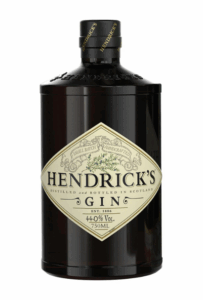
When Master Distiller Lesley Gracie infused her gin with Bulgarian rose petals and cucumber essence back in 1999, she created something genuinely revolutionary – a gin so unusual it sparked the entire craft gin renaissance. Hendrick’s Gin isn’t just another spirit; it’s “a most unusual gin” that dared to challenge centuries of tradition, served with cucumber instead of citrus, and won the hearts of bartenders and gin lovers worldwide. Made in tiny batches of just 500 liters at a time using two incredibly rare Victorian-era stills in the seaside Scottish town of Girvan, Hendrick’s has become the number one super-premium gin globally. Whether you’re building your home bar, discovering craft gin, or curious about what makes this apothecary-bottled beauty worth R500-R650, here’s everything you need to know about the gin that changed everything.
- History: From Cucumber Sandwiches to Global Icon
- Production Method: Victorian Innovation Meets Modern Mastery
- Alcohol Percentage: Premium Strength for Complexity
- Number of Calories: Pure Botanical Elegance
- Tasting Notes: Peculiarly Delicious
- Best Served With: Cucumber, Not Citrus
- Where to Buy: Widely Available Premium
- FAQs: Everything You Need to Know
History: From Cucumber Sandwiches to Global Icon
The story begins not with gin, but with whisky. In 1886, William Grant and his seven sons and two daughters built the family distillery in Dufftown, Scotland, producing what would become the famous Glenfiddich Single Malt Whisky. But the Hendrick’s tale truly starts 80 years later in 1966 when Charles Gordon (William Grant’s son-in-law and company president) successfully acquired two exceptionally rare copper pot stills at auction: a Bennett Still dating from 1860 and a Carter-Head Still from 1948.
These stills sat unassembled in a warehouse for almost 30 years while Charles pondered what to do with them. The answer came in the mid-1990s during one of those perfect summer afternoons that exist only in memory and marketing materials. William Grant & Sons Master Blender David Stewart was sitting in Janet Sheed Roberts’ (William Grant’s granddaughter) rose garden, enjoying the quintessential cucumber sandwich, when inspiration struck: could he create a gin capturing these precise aromas and flavours?
Charles Gordon, sharing David’s vision for a new premium Scottish gin, brought the idea to Lesley Gracie, a Yorkshire native who had joined the liquid development team at Girvan in 1988. Together with whisky researcher John Ross and support from the Scotch Whisky Research Institute, Lesley worked through approximately 21 recipes before achieving what they called “a peculiar sort of deliciousness.”
The breakthrough came from using both rare stills simultaneously. The Bennett Still (of which very few were ever produced) yields a particularly robust and flavourful spirit through direct distillation. The Carter-Head Still (one of only a handful in the world) uses vapour infusion, gently “bathing” botanicals in alcohol vapours rather than boiling them, producing a lighter, more delicate spirit. By blending these contrasting distillates with infusions of Bulgarian rose and carefully selected cucumber, they created something entirely new.
The gin needed a name. Janet Sheed Roberts (who lived to be Scotland’s oldest woman at 110 years) suggested “Hendrick’s” after her estate gardener Hendrick, who took particular care of the roses at her Dufftown home. Perfect.
Hendrick’s Gin launched in August 1999 at the Girvan Distillery in South Ayrshire, Scotland. It debuted in the United States in 2000 and finally arrived in the UK in 2003. The timing was brilliant – Hendrick’s essentially created the super-premium gin category and spearheaded what would become known as the “Ginaissance” (gin renaissance).
The accolades came quickly. The Wall Street Journal declared it “Best Gin in the World” in 2003. Between 2005 and 2012, the San Francisco World Spirits Competition awarded Hendrick’s two double gold, two gold, and three silver medals. By 2025, Hendrick’s had grown from a quirky Scottish experiment to the number one super-premium gin globally, selling over one million cases annually.
In 2018, the spectacular Hendrick’s Gin Palace opened just 100 yards from the original Girvan site – a dreamy structure with high ceilings, Victorian-style greenhouses for growing botanicals, and six stills (four Bennett stills and two Carter-Head stills). Master Distiller Lesley Gracie remains at the helm, still making Hendrick’s exactly as she did 26 years ago: just 500 lovely liters at a time.
The brand has expanded thoughtfully with Lesley’s “Cabinet of Curiosities” – limited edition expressions like Orbium (2017), Midsummer Solstice (2019), Lunar (2021), Neptunia (2022), and Grand Cabaret (2024). There’s even Hendrick’s Absinthe (launched 2022) and Quinetum (a quinine cordial for bartenders). Through it all, the original Hendrick’s remains essentially unchanged – a testament to getting it right the first time.
Production Method: Victorian Innovation Meets Modern Mastery
Hendrick’s uniqueness begins with its dual-distillation method using two completely different still types from the Victorian era. This isn’t just marketing theatre – the stills create fundamentally different spirits that are masterfully blended.
The process starts with neutral grain spirit infused with 11 carefully selected botanicals from around the world:
- Juniper berries (essential for gin)
- Coriander seeds
- Angelica root
- Orris root
- Caraway seeds
- Chamomile
- Elderflower
- Yarrow
- Cubeb berries
- Lemon peel
- Orange peel
Half the botanicals go into the Bennett Still (built 1860), where they’re steeped in spirit then distilled through direct heat. This traditional pot still produces a rich, full-bodied distillate bursting with robust botanical character – think bold juniper, spice, and earthy complexity.
The other half goes into the Carter-Head Still (built 1948), an incredibly rare design where botanicals are placed in a copper basket suspended above the boiling spirit. As alcohol vapours rise, they pass through the botanicals, gently extracting delicate floral and citrus notes without harsh extraction. This produces a lighter, more refined distillate with subtle elegance.
These two contrasting spirits – one robust, one delicate – are blended together in precise proportions by Lesley Gracie. This marriage alone would create an excellent London Dry gin. But Hendrick’s doesn’t stop there.
The final touch is post-distillation infusion with:
- Bulgarian Rosa Damascena (considered the world’s most fragrant rose)
- Specially selected cucumber
These essences are separately infused into the blended spirit, adding Hendrick’s signature floral and refreshing character. The result is a gin that’s simultaneously traditional (juniper-forward) and revolutionary (rose and cucumber).
Production remains artisanal: just 500 liters per batch, all under Lesley Gracie’s watchful supervision. The spirit is then diluted to 41.4% ABV (or 43.4-44% ABV depending on market), filtered for clarity, and bottled in those distinctive dark brown apothecary-style bottles that have become instantly recognizable worldwide.
Alcohol Percentage: Premium Strength for Complexity
Hendrick’s Gin is bottled at 41.4% ABV (82.8 proof) for UK/European markets and 44% ABV (88 proof) for South Africa and some other markets. This slightly higher strength serves important purposes.
At 41.4-44% ABV, Hendrick’s delivers:
- Enough alcohol to carry delicate rose and cucumber essences
- Backbone for standing up to mixers without getting lost
- Smooth sipping potential despite the strength
- Professional-grade mixability for bartenders
For comparison:
- Hendrick’s: 41.4-44% ABV (depending on market)
- Gordon’s London Dry gins: 40% ABV
- Bombay Sapphire: 40% ABV
- Tanqueray: 43.1% ABV
- Navy Strength gins: 57%+ ABV
The 44% ABV in South Africa is deliberate – that extra few percentage points ensure the delicate botanical profile shines through, especially the subtle rose and cucumber notes that define Hendrick’s character. Lower ABV might make these essences disappear; higher would create harsh alcohol burn.
This is gin designed for cocktails but smooth enough for sipping. The strength provides structure without aggression.
Number of Calories: Pure Botanical Elegance
At 41.4-44% ABV with no added sugars (just botanicals, water, and alcohol), Hendrick’s contains calories only from alcohol:
At 44% ABV (South African strength):
- 25ml shot: ~62 calories
- 50ml double: ~124 calories
- 750ml bottle: ~1,860 calories total
At 41.4% ABV (UK strength):
- 25ml shot: ~58 calories
- 50ml double: ~116 calories
- 750ml bottle: ~1,740 calories total
All calories come from pure ethanol (7 calories per gram). Hendrick’s contains zero carbohydrates, zero sugar, zero fat – just botanicals and alcohol.
For comparison per 50ml:
- Hendrick’s (44% ABV): ~124 calories
- Vodka (40% ABV): ~112 calories
- Standard gin (40% ABV): ~112 calories
- G&T (50ml gin + 150ml tonic): ~230-260 calories (most from tonic)
Hendrick’s is keto-friendly and low-carb compatible. However, what you mix it with matters. Use light tonic or soda water to keep calories down.
Tasting Notes: Peculiarly Delicious
Hendrick’s delivers complexity that justifies its premium positioning. Here’s what to expect:
Appearance: Crystal clear with brilliant transparency. In the glass, it’s pristine and inviting.
Nose: Fresh juniper leads, followed immediately by distinctive cucumber coolness and floral rose notes. Behind these signature elements: citrus (lemon, orange), subtle spice (coriander, pepper), earthy botanicals (angelica, orris), and delicate florals (elderflower, chamomile). The nose is bright, fresh, and unmistakably Hendrick’s – no other gin smells quite like this.
Palate: Superbly balanced with fresh juniper, green notes, and spice. The cucumber provides refreshing coolness while rose adds gentle floral sweetness. Mid-palate reveals coriander spice, citrus brightness, and that characteristic “meandering floral finish.” The texture is smooth and rounded, coating the palate elegantly. Despite 44% ABV, there’s no harsh burn – decades of distilling expertise ensure silky delivery.
Mouthfeel: Smooth, slightly creamy, with perfect viscosity. The 44% ABV provides body without heaviness.
Finish: Long, elegant, and floral. The cucumber and rose persist beautifully, fading into dry juniper and subtle spice. The aftertaste is clean and sophisticated – you immediately want another sip.
Hendrick’s achieves that rare union of lightness and complexity. It’s approachable enough for gin newcomers yet complex enough for connoisseurs. The rose and cucumber don’t dominate – they enhance and elevate the traditional juniper core.
Best Served With: Cucumber, Not Citrus
Hendrick’s famously suggests serving with cucumber instead of traditional citrus. This isn’t just marketing – it genuinely enhances the gin’s character.
The Perfect Hendrick’s G&T
- 50ml Hendrick’s Gin
- 150ml premium tonic water (try Fever-Tree)
- Plenty of ice
- Garnish with 3 thin slices of fresh cucumber (not lime!)
- Serve in a highball glass
Lesley Gracie’s Personal Serve
Master Distiller’s favorite way to enjoy Hendrick’s:
- 50ml Hendrick’s Gin
- 12.5ml elderflower cordial
- 150ml soda water
- Cubed ice, light stir
- Garnish with 3 thin cucumber rounds
Classic Cocktails
Cucumber Martini: 60ml Hendrick’s, 15ml dry vermouth, cucumber garnish Hendrick’s Collins: 50ml Hendrick’s, 25ml lemon juice, 15ml sugar syrup, soda, cucumber Hendrick’s Negroni: Equal parts Hendrick’s, Campari, sweet vermouth, orange twist
Food Pairings
Seafood: Oysters, sushi, grilled fish, prawns, smoked salmon Light dishes: Cucumber sandwiches (naturally!), salads, afternoon tea Cheese: Soft goat cheese, cream cheese, fresh mozzarella Desserts: Rose-flavoured desserts, lemon tarts, elderflower panna cotta
Temperature
Serve well-chilled with plenty of ice. The cucumber and rose notes bloom beautifully when cold.
Where to Buy: Widely Available Premium
Specific Retailers (South Africa)
Norman Goodfellows Product: Hendrick’s Gin 750ml Multiple locations: Johannesburg, Pretoria, Cape Town, Durban Website: ngf.co.za Note: Excellent selection and knowledgeable staff
Mothercity Liquor (Cape Town – Online) Product: Hendrick’s Gin 750ml ABV: 44% Delivery: 0-2 days (Cape Town), 2-5 days (rest of SA) Website: mothercityliquor.co.za
Whisky Marketplace South Africa Product: Hendrick’s Gin 750ml Website: whiskymarketplace.co.za Note: Price comparison platform
Makro Product: Hendrick’s Original Gin 750ml Available: Makro stores with liquor sections Website: makro.co.za
Takealot Product: Hendrick’s Gin 750ml Website: takealot.com Delivery: Fast nationwide delivery
Pick n Pay / Checkers Available: Selected stores with premium liquor sections Check local availability
Woolworths Available: Premium Woolworths stores with liquor sections
Independent Bottle Stores Widely stocked at quality liquor retailers nationwide
Prices (South Africa, 2025)
Retail Bottle Prices (750ml):
- Hendrick’s Original: R500-R650
- Hendrick’s Orbium: R600-R750
- Hendrick’s Midsummer Solstice: R650-R800
- Hendrick’s Lunar: R650-R800
- Cabinet of Curiosities editions: R700-R900
International Reference:
- Average global price: $35 USD (~R650)
- UK retail: £28-£35 (~R665-R830)
Bar/Club Pricing:
- Hendrick’s G&T: R70-R110
- Hendrick’s shot (25ml): R40-R65
- Premium cocktail bars: R80-R130
- Upmarket establishments: R90-R150
Pricing Notes:
- Hendrick’s is priced in the premium gin category
- More expensive than standard gins (R200-R350) but less than ultra-premium (R800+)
- Excellent value for quality and global reputation
- Watch for promotional pricing at major retailers
FAQs: Everything You Need to Know
Why does Hendrick’s use cucumber instead of lime? The cucumber garnish isn’t a gimmick – it genuinely enhances Hendrick’s character. The gin is infused with cucumber essence during production, so serving with cucumber creates harmony between the spirit and garnish. Lime would clash with the delicate rose and cucumber notes. Try both side-by-side – cucumber wins every time.
Is Hendrick’s really made in Scotland? Yes! Every drop is distilled at the Hendrick’s Gin Palace in Girvan, South Ayrshire, Scotland (a decidedly “un-ginnish” country). It’s made by William Grant & Sons, the same family distillery that produces Glenfiddich whisky. Scotland’s first gin distillery was established in the 1700s, giving Hendrick’s centuries of distilling heritage to draw from.
What makes Hendrick’s different from other gins? Three things: (1) Dual distillation using two rare Victorian stills (Bennett + Carter-Head) creating contrasting spirits that are blended; (2) Post-distillation infusion with Bulgarian rose and cucumber – no other major gin does this; (3) Small batch production (just 500 liters) by Master Distiller Lesley Gracie who’s made every batch since 1999.
Who is Lesley Gracie? Master Distiller Lesley Gracie is the genius behind Hendrick’s. A Yorkshire native and chemist who joined William Grant & Sons in 1988, she created Hendrick’s recipe after testing 21 versions. She’s personally overseen every batch for 26 years, making 500 liters at a time. She also creates the Cabinet of Curiosities limited editions. She’s a pioneer of the gin renaissance and one of the most respected distillers globally.
Can you drink Hendrick’s neat? Absolutely! At 44% ABV, Hendrick’s is smooth enough for sipping. Serve chilled or at room temperature in a whisky tumbler. The rose and cucumber notes are more pronounced when neat, allowing full appreciation of the botanicals. However, Hendrick’s was designed for mixing, so don’t feel guilty making cocktails – that’s literally what it’s for.
Is Hendrick’s worth the price? For premium gin lovers, absolutely. At R500-R650, Hendrick’s delivers exceptional quality, unique flavour, global reputation, and consistent excellence. It’s more expensive than standard gins but significantly cheaper than ultra-premium brands. If you appreciate craft spirits and want a gin that stands out, Hendrick’s justifies its pricing. For casual drinkers, standard gins (R200-R350) may suffice.
What’s the difference between Hendrick’s Original and Orbium/Lunar? Hendrick’s Original (R500-R650, 44% ABV) is the core expression with rose and cucumber. Orbium (R600-R750, 43.4% ABV) adds quinine, wormwood, and blue lotus blossom for a more complex, slightly bitter profile. Lunar (R650-R800) is inspired by night-blooming flowers. Cabinet of Curiosities editions are limited releases exploring different botanical themes. All maintain the dual-still method and Lesley Gracie’s quality standards.
How should Hendrick’s be stored? Store upright in a cool (15-20°C), dark place away from sunlight. Gin doesn’t age in the bottle, so it won’t improve with storage. Once opened, consume within 1-2 years for optimal flavour, though the 44% ABV means it won’t spoil. Unopened bottles last indefinitely. The dark apothecary bottle protects the spirit from light degradation better than clear bottles.
Whether you’re discovering craft gin, building a premium home bar, or searching for that perfect spirit to elevate your G&T game, Hendrick’s Gin delivers peculiar perfection. From David Stewart’s cucumber sandwich epiphany to Lesley Gracie’s 26-year mastery, from Victorian-era stills to Bulgarian roses and Scottish cucumber, every element combines to create something genuinely unusual.
This is the gin that started the craft gin revolution, earned “Best Gin in the World” acclaim, and proved that sometimes the most unusual ideas become the most beloved. So grab a bottle, slice some fresh cucumber, and discover why Hendrick’s remains the number one super-premium gin globally.
Remember: cucumber, not citrus. Always cucumber.
Cheers – or as we say in South Africa, Gesondheid to peculiar perfection!
When it comes to premium gin, Hendrick’s isn’t just a drink — it’s a whole statement. This Scottish beauty is smooth, sophisticated, and just quirky enough to stand out. In Mzansi, gents who know their worth are reaching for Hendrick’s when they want to sip on something refined, stylish, and next-level premium.
Alcohol is not for persons under the age of 18!