
Joburg Beer – South Africa’s Traditional Sorghum Beer
Joburg Beer is a traditional South African sorghum beer brewed by United National Breweries with the tagline “The Taste of the Big City.” This unique beverage contains 1-3% alcohol by volume and is made from maize (corn) and sorghum, sold in distinctive red-and-white milk cartons. Deeply rooted in African brewing tradition and South African apartheid history, this beer represents centuries of indigenous beer culture and remains a staple in Soweto shebeens and township communities across Johannesburg.
- Joburg Beer – South Africa's Traditional Sorghum Beer
- History and Cultural Heritage
- Production Method and Traditional Recipe
- Alcohol Content and Specifications
- Nutritional Aspects and Cultural Considerations
- Taste Profile and Drinking Experience
- Best Served With – Shebeen Culture
- Where to Purchase and Experience
- Current Pricing and Accessibility
- Frequently Asked Questions
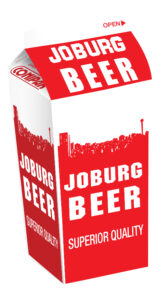
Key Facts:
- Brand: Joburg Beer (also known as “oom gom boat ay” locally)
- Type: Traditional Sorghum Beer / Opaque Beer
- Alcohol Content: 1-3% ABV
- Brewer: United National Breweries
- Packaging: Milk carton (red-and-white design)
- Main Ingredients: Maize (corn), sorghum, water
- Character: Sour, milky, slightly thick with sediment
- Cultural Significance: Shebeen culture, apartheid resistance heritage
- Tagline: “The Taste of the Big City”
When it comes to understanding authentic South African beer culture and township heritage, this traditional brew stands as more than just a beverage—it’s a symbol of resilience, community, and centuries-old African brewing traditions. From Soweto shebeens to township taverns across Johannesburg, this unique sorghum beer continues connecting communities through shared experience and cultural tradition.
History and Cultural Heritage
Ancient African Brewing Tradition:
As far as history tells us, fermentation has been since about 10,000 years B.C., around the time the first civilizations developed. The fermentation process was honed and perfected in Egypt, on the African continent, before spreading around the Mediterranean. While the Greeks and Romans frowned upon beer, African societies continued to brew and savor the rich beverage whose properties were supposed to elevate the drinker’s soul.
Apartheid Era Origins:
During apartheid era South Africa, it was illegal for blacks to drink beer made by white people. People got around this by putting beer in milk cartons to fool the police. Eventually, they made their own beer called Umqombothi or sorghum beer. This necessity birthed a tradition that continues today.
Historical Timeline:
- 10,000 B.C.: Fermentation process begins in Africa
- Ancient Egypt: Concoction created using corn/maize and goat milk
- Pre-Apartheid: Traditional umqombothi brewed in households
- Apartheid Era: Beer hidden in milk cartons to avoid police
- Post-1994: Commercial brands like Joburg Beer established
- Present: Continues in shebeens and township culture
Shebeen Culture:
Shebeens developed within the black townships of South Africa as informal drinking establishments where people could relax and unwind. Basically a small hut where alcohol is shared and consumed and people chat. The beer is normally communal, often served from buckets or jars.
Production Method and Traditional Recipe
Brewing Process:
Similar to traditional umqombothi (pronounced oom-kom-bo-tee), sorghum beer is made by adding sugar, water and corn to soft-cooked sorghum-meal porridge, allowing it to stand, then repeating the process to taste. The natural fermentation process gives the beer a thick and creamy head of various-sized bubbles.
Production Specifications:
- Main ingredients: Maize (corn), sorghum, water
- Fermentation: Natural fermentation process
- Style: Opaque/cloudy beer with sediment
- Brewing: Commercial production by United National Breweries
- Packaging: Milk carton format (historical and practical)
- No refrigeration needed: Served at ambient temperature
Related Brands:
Besides this brand, there’s Chibuku, Tlokwe, Leopard and iJuba—all maintaining the traditional sorghum beer style. These commercial versions keep up tradition while providing consistent availability.
Alcohol Content and Specifications
Alcohol Percentage:
The alcohol content is about 1% to 3%, so don’t expect a buzz. This low alcohol content reflects the traditional brewing process and positions it as a social beverage rather than intoxicant.
Product Specifications:
- ABV: 1-3% (very low alcohol)
- Category: Traditional Sorghum Beer / Opaque Beer
- Packaging: Milk carton format
- Color: Pink/opaque with milky appearance
- Texture: Thick with floating sediment
- Temperature: Served at room temperature
The low alcohol content means this is consumed for taste, tradition, and community rather than intoxication—a fundamentally different drinking culture.
Nutritional Aspects and Cultural Considerations
Nutritional Content:
As a grain-based beverage made from maize and sorghum, this beer contains:
- Calories: Moderate (from grain fermentation)
- Carbohydrates: Significant (from maize/sorghum)
- Protein: Present (from grains)
- Vitamins: B-vitamins from fermentation
- Probiotics: Natural fermentation benefits
Cultural Nickname:
In South Africa, the cheap but legal red-and-white cartons are nicknamed takunyisa (‘running stomach’). This nickname reflects both the beverage’s effects and the frank humor of township culture.
Health Considerations:
- Contains active cultures from fermentation
- Not pasteurized (fresh product)
- Should be consumed relatively fresh
- Natural ingredients without additives
- Gluten-containing (maize and sorghum)
Taste Profile and Drinking Experience
Tasting Notes:
It takes like spoiled milk with curds in it … and it has been drank this way for centuries. The taste was quite sour, rather like a milky wine, it had floating bits in it.
Detailed Taste Profile:
Visual Appearance:
- Pink/opaque milky color
- Cloudy with visible sediment
- Floating particles
- Thick, almost porridge-like consistency
- Natural, unfiltered appearance
Aroma Profile:
- Sour milk notes
- Fermented grain character
- Slightly yeasty
- Natural fermentation smell
- Earthy, authentic
Taste Characteristics:
- Dominant: Sour, acidic character
- Texture: Milky, thick, somewhat creamy
- Grain notes: Maize/corn flavor present
- Fermentation: Active, tangy
- Mouthfeel: Heavy, substantial
- Unique: Floating bits of grain
The Experience:
The famous Joburg Beer. Pink, milky, winey, but still BEER! It’s a very different beer, made cheap and to get one drunk for minimal cost. Maybe if it was served cooler it would be better.
This isn’t beer as Westerners know it—it’s an entirely different beverage category rooted in African tradition.
Best Served With – Shebeen Culture
Traditional Serving:
Traditionally drunk from a communal calabash. In modern shebeens, served from buckets or jars, with multiple people drinking from the same vessel.
Shebeen Protocol:
The Communal Experience:
- Served in buckets or large containers
- Poured into communal jars or cups
- Passed around the group
- Drunk at ambient temperature
- Social bonding through sharing
Cultural Context:
Anyone’s welcome. Just come in, take a seat, grab a beer, have a chat and relax! The locals all bunch over and make room for you. We will all be drinking from the same cup.
Perfect Occasions:
Shebeen Gatherings:
- Weekend socializing
- Community celebrations
- After-work relaxation
- Storytelling sessions
- Building relationships
Cultural Events:
- Traditional ceremonies
- Township festivities
- Heritage celebrations
- Community gatherings
Food Pairings:
While not typically paired with food in the Western sense, it’s often enjoyed with:
- Pap (maize porridge)
- Chakalaka
- Township street food
- Simple township meals
- As refreshment between meals
Where to Purchase and Experience
Availability:
Primarily available in township areas, shebeens, and informal trading locations, particularly around Johannesburg taxi ranks and Soweto.
Where to Find:
Soweto Shebeens:
- Traditional drinking establishments
- Township communities
- Informal venues throughout Soweto
Johannesburg Taxi Ranks:
- Sold in the bustling micro-economy
- Red-and-white cartons visible
- Part of township daily life
Township Taverns:
- Informal drinking spots
- Community gathering places
- Throughout Johannesburg townships
Cultural Tourism:
Experiencing this beer is best done through:
- Soweto bicycle tours with shebeen visits
- Cultural township tours
- Authentic community experiences
- Guided heritage tours
Important Context:
This isn’t typically sold in mainstream supermarkets or bottle stores. It’s part of informal township economy and shebeen culture—authenticity requires cultural context.
Current Pricing and Accessibility
Price Range:
Extremely affordable, reflecting its positioning as everyday township beverage:
- Single carton: R5-R10 (approximate)
- Pricing philosophy: Cheap and accessible
- Target market: Township communities
- Economic accessibility: Available to all income levels
Value Positioning:
Made cheap to provide affordable beer for communities. This isn’t premium pricing—it’s democratic, accessible refreshment rooted in tradition and necessity.
Frequently Asked Questions
What exactly is Joburg Beer?
This is a traditional South African sorghum beer brewed by United National Breweries, made from maize and sorghum with 1-3% alcohol content. Sold in red-and-white milk cartons, it tastes sour and milky with floating sediment. Rooted in African brewing tradition dating back thousands of years and apartheid-era history when beer was hidden in milk cartons.
Why is it sold in milk cartons?
During apartheid, it was illegal for blacks to drink beer made by white people. People put beer in milk cartons to fool the police. This practical solution became tradition, and commercial brands continue the milk carton format today as cultural heritage and practical packaging.
What does it taste like?
It tastes like spoiled milk with curds, quite sour, rather like a milky wine with floating bits. The texture is thick and milky, pink/opaque in color. It’s very different from Western-style beer—an acquired taste rooted in centuries of African brewing tradition.
How strong is the alcohol content?
The alcohol content is about 1-3%, so don’t expect a buzz. This low strength reflects traditional brewing and positions it as social beverage for community sharing rather than intoxication. It’s drunk for taste, tradition, and togetherness.
What are shebeens and how do they relate to this beer?
Shebeens are informal drinking establishments in South African townships—basically small huts where alcohol is shared, consumed, and people chat. This beer is the primary beverage in Soweto shebeens, drunk communally from shared vessels. Anyone’s welcome to join.
Is this beer safe to drink?
Yes, commercially produced versions from United National Breweries are legal and regulated. However, the natural fermentation and lack of pasteurization mean it should be consumed relatively fresh. The nickname takunyisa (‘running stomach’) reflects its effects, so start slowly if unaccustomed.
Can tourists try this beer?
Absolutely! The best experience comes through Soweto bicycle tours or cultural township tours that include shebeen visits. Tour guides like Solomon facilitate authentic experiences where tourists can try the beer and learn cultural context. It’s about cultural immersion and respect.
How is this different from craft beer?
This isn’t craft beer in the Western sense—it’s traditional African sorghum beer with thousands of years of history. Low alcohol (1-3%), thick and sour texture, ambient temperature serving, communal drinking culture, and cultural significance make it completely different from craft beer movement.
Joburg Beer represents far more than a beverage—it’s living history, cultural resistance, community tradition, and African brewing heritage in a milk carton. From ancient Egyptian fermentation to apartheid-era resistance to modern township culture, this sorghum beer connects past and present.
Understanding this beer means understanding South African township life, shebeen culture, and the resilience of communities who created their own spaces and traditions despite oppression. It’s sour, milky, unconventional, and deeply authentic—The Taste of the Big City that Western beer culture rarely encounters.
Whether you’re experiencing it in a Soweto shebeen, learning about apartheid history, or exploring authentic South African culture, this traditional brew offers a taste of something far deeper than just beer—it’s the taste of survival, community, and tradition.
Respect the culture. Share the cup. Experience the heritage.
Not suitable for persons under 18. Drink responsibly and with cultural awareness.