
Ey, wena! You know when someone brings a six-pack that’s just crisper, sharper, and leaves your taste buds dancing like they’re at a groove in Soweto? Chances are they’ve pulled through with a pilsner.
While most South Africans are deep in their lager era, the pilsner is the cool cousin with more attitude. It’s got that bitter snap, that clean finish, and it’s slowly but surely earning its place at our braais, taverns, and backyard gatherings.
Let’s dive into this iconic beer style — how it’s made, what makes it different, and which pilsners are flying the flag in South Africa.
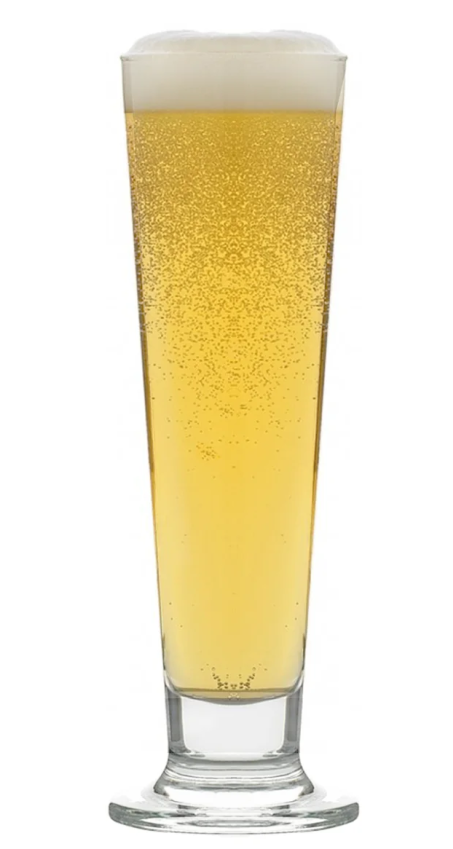
So, What is a Pilsner?
A pilsner is actually a type of lager, but it’s got more hop flavour and a slightly more bitter kick. Think of it like Castle Lager’s edgier sibling who just came back from Europe with some spice.
The style originally comes from Plzeň (or “Pilsen”) in the Czech Republic — ja, that’s where the name comes from. It’s lighter in colour, clearer in appearance, and packs a crisp, refreshing flavour that’s hard to beat on a hot Mzansi day.
🧪 How Pilsners Are Made (In Simple Mzansi Style)
Making a pilsner is basically like cooking up a perfect potjie — time, patience, and just the right ingredients:
1. Water
The water used is soft (low in minerals). Czech Pilsners use famously soft water, but SA brewers have adapted using local sources.
2. Malted Barley
This gives the beer its body and golden colour. Pilsners usually use pale malts, which keep things light and bright.
3. Hops
Here’s the secret sauce. Pilsners use noble hops (like Saaz, Hallertau, or local hop blends) for that floral, spicy aroma and bitter edge that gives it that “snap!”
4. Lager Yeast
Fermented at cold temps — usually between 7°C to 13°C — for a clean taste and smooth finish.
5. Cold Conditioning
After fermentation, pilsners get stored (or “lagered”) in cold tanks for a few weeks. This smooths it out and gives that refreshing zing we love.
Pilsners That Bangs in SA
1. Hansa Pilsener – The Mzansi Classic
She’s been around since the ‘70s and still hits just right. Hansa has that crisp bite and a bit more bitterness than regular lagers. It’s perfect for a day by the pool or those 5pm sundowners with the gents.
Vibe: “Refreshes like nothing on Earth” — and they weren’t lying!
2. Devil’s Peak First Light Pilsner – Craft With Class
From Cape Town’s craft masters, this one’s a modern take on the classic style. It’s got bold hop character, crisp malt balance, and that citrusy twist. Fancy but still lekker.
Vibe: For when you’re feeling fancy in flip-flops.
3. CBC Pilsner (Cape Brewing Co.) – Western Cape Wonder
Brewed with precision and German-style quality, this one is clean, slightly bitter, and perfectly balanced. It’s a proper “premium” experience.
Vibe: Perfect for impressing your in-laws at a Sunday braai.
4. Windhoek Draught / Windhoek Lager – Borderline Pilsner Style
Not officially a pilsner, but it’s brewed with no additives and fits the clean, crisp flavour profile. A favourite across Mzansi for good reason.
Vibe: The reliable gent in your squad — always shows up.
Why Mzansi Should Rock With Pilsners More
- They’re light, but not boring – More flavour than regular lagers, but still super drinkable.
- They’re refreshing – Clean finish makes them perfect for our sunny climate.
- They go with everything – Meat, seafood, chakalaka, slap chips… pilsner’s got range.
Final Word: Pilsner is That Girl
So next time you’re standing in front of the cooler box wondering what to grab, try reaching for a pilsner. It’s sharp, it’s clean, and it’s packed with character — just like the people of Mzansi.
Remember: whether you’re on team Hansa, sipping a Devil’s Peak, or cracking open a CBC, always drink responsibly. Don’t drink and drive. Just vibe, enjoy, and live your best beer life.
Enjoy responsibly. Not for sale to persons under 18.