
iJuba Beer: South Africa’s Traditional Sorghum Brew That Connects Us to Our Roots
When people across South Africa refer to traditional sorghum beer, they often simply say “iJuba” – not because it’s the only brand, but because it’s become synonymous with authentic African brewing tradition. Like how we say “Colgate” for toothpaste or “Ricoffy” for instant coffee, iJuba has achieved that rare status where the brand name becomes the category itself. Brewed by United National Breweries since the 1990s and rooted in thousands of years of African brewing tradition, iJuba represents more than just a beer – it’s liquid heritage, cultural connection, and community in a bottle. Whether you’re rediscovering your roots, curious about traditional African brewing, or looking to support authentic South African products, here’s everything you need to know about iJuba beer.
History
The story of iJuba is inseparable from the story of umqombothi itself – the traditional African sorghum beer that has been brewed in southern Africa for thousands of years, long before European settlers arrived. In Zulu culture, traditional beer was made by women and consumed primarily by men, playing essential roles in ceremonies, rituals, and ancestral communication. Beer was believed to facilitate contact with amadlozi (ancestors), and it was traditionally left in a cool dark place called umsamo for the ancestors to taste first.
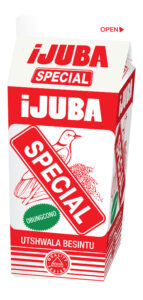
The name “iJuba” translates from Zulu as “dove” – a symbol of peace, purity, and homecoming. This naming reflects the beer’s role in welcoming young men home after initiation and celebrating important life milestones. Historical references to iJuba appear in South African literature as early as 1984, when it was already established as a proprietary brand name for sorghum beer, loosely used to refer to any such traditional beer (tshwala).
United National Breweries (UNB) was founded in the 1990s with a mission to commercialize traditional sorghum brewing while maintaining authenticity. The company recognized that millions of South Africans wanted traditional beer but lacked the time, equipment, or knowledge to brew it at home. UNB built breweries specifically designed to recreate home-brewed umqombothi using traditional principles combined with modern food safety and consistency standards.
The Indlovu Brewery in Dundee, KwaZulu-Natal, became one of the primary producers of iJuba beer. This hard-working facility produces up to 85,000 litres daily, bottling iJuba in practical plastic containers ranging from 2-litre bottles to massive 20-litre barrels. The Khangela Brewery in Durban (Congella, near Glenwood) also produces iJuba and has grown into one of the largest umqombothi producers in South Africa, churning out seven to nine million litres annually.
By 2009, UNB owned eight breweries and 99 depots across South Africa, producing not just iJuba but sister brands including Chibuku, Tlokwe, Leopard Special, Joburg Beer, and Country Brew. However, iJuba became the flagship – the brand that South Africans instinctively asked for when they wanted traditional beer. The graphic packaging of UNB’s brands, particularly their distinctive plastic containers and cartons, became iconic symbols of kasi (township) culture.
Despite producing 34 million hectolitres of sorghum beer monthly, UNB faced stiff competition from SAB Limited (SABMiller’s local arm), which dominated with 2.2 million hectolitres. The battle wasn’t about volume alone – it was about changing perceptions. Traditionally, sorghum beer was consumed predominantly by people aged 35-65 at the lower end of the market. UNB launched aggressive marketing campaigns to attract younger consumers aged 18-35, partnering with companies like Salta to challenge market assumptions and position sorghum beer as culturally relevant for all generations.
In 2015, when Slow Food Foundation for Biodiversity added umqombothi to its Ark of Taste (a catalogue of endangered heritage foods), it acknowledged what many already knew: traditional brewing techniques risked dying out as younger generations saw it as outdated. Yet brands like iJuba kept the tradition alive in accessible, consistent commercial form.
Production Method
iJuba is brewed according to traditional sorghum beer principles adapted for large-scale commercial production. The beer is made according to the taste preferences and traditions of the Zulu people, using ingredients that have been staples for centuries: malted sorghum, maize (corn), water, and sometimes additional grains like millet.
The basic brewing process mirrors home-brewing traditions: sorghum malt and maize are mixed with warm water and left overnight to begin fermentation. The mixture ferments naturally, producing bubbles and that characteristic sour aroma. A portion of the wort (unfermented beer) is set aside while the remaining mash is cooked until a crusty sediment forms. After cooling, everything is combined in large fermentation vats where wild yeasts and lactic acid bacteria work their magic.
What sets commercial iJuba apart from home-brewed umqombothi is consistency, food safety, and scale. UNB’s breweries follow strict quality control protocols to ensure the beer is safe from harmful mycotoxins (fungal contaminants that can contaminate homegrown maize and sorghum). Modern fermentation monitoring and pasteurization (for certain variants like NiniNanini flavoured sorghum) ensure shelf stability and consumer safety.
iJuba comes in different formats and variants:
- Traditional iJuba Sorghum: The classic “mild” fresh sorghum beer, unpasteurized for authentic taste
- NiniNanini Flavoured Sorghum: Banana or pineapple flavoured variants that are pasteurized for longer shelf life
The beer is not filtered like Western lagers, so it retains its characteristic thick, gritty texture from the maize and sorghum sediment. This sediment is rich in B vitamins and is considered part of the authentic experience – traditional practice is to shake the container before drinking and even consume the thick sludge at the bottom.
Interestingly, one UNB brewery manager revealed that all their sorghum beers follow essentially one base recipe, yet they market them under different labels (iJuba, Leopard, Chibuku, etc.). Customers often insist there are differences, which speaks to the power of branding and regional preferences.
Alcohol Percentage
iJuba beer has a relatively low alcohol content, typically ranging from 1% to 3% ABV (Alcohol by Volume). This places it significantly lower than mainstream lagers (5% ABV) and even most light beers (4% ABV). The low alcohol content is intentional and traditional – umqombothi was historically consumed throughout the day at social gatherings, ceremonies, and community events where sustained socializing was more important than intoxication.
The alcohol content can vary slightly depending on freshness and fermentation time. Because iJuba is a “living beer” that continues fermenting in the container, the alcohol content actually increases the longer it sits. A fresh bottle might start at 0.5-1% ABV on day one, but as fermentation continues, it can reach 2-3% ABV by day three or four. This is why traditional sorghum beer is meant to be consumed fresh – the flavour profile and alcohol content evolve daily.
At 1-3% ABV, iJuba is genuinely sessionable. You can drink substantial quantities without becoming heavily intoxicated, making it ideal for extended family gatherings, weekend sessions with friends, and traditional ceremonies where the beer flows freely throughout the day.
However, one must note the nickname “takunyisa” (meaning “running stomach” in Zulu), which reflects the beer’s digestive effects. The combination of active fermentation, high sediment content, and lactic acid bacteria can have pronounced effects on the digestive system, particularly for those unaccustomed to it. Start slowly if you’re a first-timer!
Number of Calories: Nutritious Traditional Brew
At 1-3% ABV with substantial carbohydrate content from unfermented starches, a 2-litre bottle of iJuba contains approximately 400-600 calories total. Let’s break this down:
Per 330ml serving: Approximately 66-100 calories
- Calories from alcohol: 15-30 (depending on 1-3% ABV)
- Calories from carbohydrates: 50-70 (from maize, sorghum starches)
Per 2-litre bottle (most common format): Approximately 400-600 calories total
The calorie content is higher per volume than many Western beers because iJuba contains substantial unfermented starches, proteins, and sediment from the grains. In traditional African communities, sorghum beer was considered as much a food as a beverage – it provided significant calories, B vitamins, and nutrients, especially in rural areas where food security was a concern.
The nutritional profile includes:
- Carbohydrates: High (20-30g per 330ml) from maize meal and sorghum
- Protein: Moderate (2-4g per 330ml) from grain proteins
- B Vitamins: High, especially thiamine, riboflavin, and niacin
- Minerals: Present from grains (iron, magnesium, phosphorus)
- Fiber: Present from grain sediment
This nutritional density is why some rural South Africans have historically relied on sorghum beer as a dietary staple, not just for social drinking. The thick, porridge-like consistency provides satiety and sustenance beyond simple alcohol content.
Interestingly, many people in KwaZulu-Natal believe iJuba can soothe stomach ulcers, with anecdotal reports of people drinking 2-litre bottles slowly throughout the day for ulcer relief. While there’s no scientific evidence supporting this, the B vitamins, fermentation products, and thick texture may provide symptomatic relief for some people. Medical professionals warn against using alcohol to treat ulcers, but the folk belief persists.
Tasting Notes
Let’s be honest: iJuba is not for everyone on first sip. This is an acquired taste rooted in thousands of years of African brewing tradition. But for those who grew up with it or who approach it with cultural respect and open minds, it’s deeply satisfying.
Appearance: Opaque buff to pinkish colour with no clarity whatsoever. The beer looks thick, almost like diluted porridge. When poured, it has a milky, frothy head that dissipates within half a minute due to low carbonation. Substantial sediment settles at the bottom – this is normal and desirable.
Nose: Heavy, distinctly sour aroma reminiscent of fermented porridge or yogurt. There’s a lactic tang mixed with grain sweetness and earthy notes. The smell can be off-putting to those accustomed to Western beers, but it’s authentically African. Some detect slight fruitiness or grass-like notes.
Palate: Thick, creamy, gritty mouthfeel with a porridge-like texture. The first taste is sour and slightly sweet simultaneously – like drinking slightly spoiled milk mixed with grain porridge, but in a good way (if you’re accustomed to it). The sourness comes from lactic acid fermentation, similar to yogurt or kefir. There’s an earthy, grainy character with subtle corn sweetness balancing the tartness.
Mouthfeel: Thick and substantial, coating your mouth and tongue. Very low carbonation compared to Western beers – it’s more “still” than “fizzy.” The sediment adds grittiness and body. This isn’t a refreshing, crisp beer; it’s more like drinking liquid bread.
Finish: Sour, slightly sweet, with lingering grain character. The aftertaste can be acquired – some find it pleasantly tangy, others find it challenging initially. The sediment accumulates as you drink, and traditional practice is to shake the container periodically and consume all the sludge at the bottom for maximum nutritional benefit.
Foreign visitors often compare the taste to “spoiled milk with curds” or “milky wine with floating bits.” South Africans who grew up with it describe it as “refreshing,” “authentic,” and “connecting them to their heritage.” The difference is cultural context and acquired appreciation.
Where to Buy
iJuba is widely available throughout South Africa, particularly in KwaZulu-Natal, Gauteng, and Eastern Cape provinces where traditional beer consumption is highest.
Specific Retailers
United National Breweries Direct
- Indlovu Brewery: Corner of Avon and Brewery Road, Dundee, KwaZulu-Natal
- Products: iJuba Traditional Sorghum (2L, 11L, 20L barrels)
- Daily production: Up to 85,000 litres
- Contact: Prices on request
- Khangela Brewery: 21 Glastonbury Place, Congella (near Glenwood), Durban
- Products: iJuba brand and variants
- Tours: Tuesday-Thursday (small onsite pub, snacks, beer tasting available)
- Annual production: 7-9 million litres
Township Taverns & Shebeens
- Available at informal taverns and shebeens throughout Soweto, Durban townships, and rural KwaZulu-Natal
- These are the primary distribution points for traditional beer
- Best accessed through cultural township tours or local guides
Liquor Stores (Selected)
- Available at independent bottle stores in townships and rural areas
- Check stores specializing in traditional/sorghum beers
- More common in KZN and Eastern Cape than Western Cape
MM Liquor (Sorghum Beer Specialists)
- Website: mmliquor.co.za
- Stocks iJuba and other UNB traditional brands
- Check website for availability and distribution
Cultural Experiences & Tours
- Soweto Bicycle Tours: Often include shebeen visits where iJuba is served
- Zulu Brew Route Tours: Brewery tours in KwaZulu-Natal including Indlovu and Khangela
- Township Cultural Tours: Authentic shebeen experiences in Johannesburg, Durban, Cape Town townships
Prices
Retail Pricing (2025 estimates):
2-Litre Plastic Bottles: R25-R35
- Most common format for individual consumption
- Found at taverns, shebeens, and bottle stores
- Price mentioned in news reports and anecdotal accounts
11-Litre Containers: R120-R180
- Less common retail format
- Suitable for small gatherings
20-Litre Barrels: R250-R400
- Primarily sold to taverns and for large gatherings
- Traditional format for ceremonies and community events
- Often requires deposit for barrel
Tavern/Shebeen Pricing:
- Served by the cup/glass: R8-R15 per serving
- Often shared communally from large containers
- Part of the social experience rather than individual consumption
Pricing Notes:
- iJuba is intentionally positioned as affordable, low-cost beer accessible to township communities
- Prices vary significantly by region, with rural areas often cheaper than urban
- Freshness matters – older stock may be discounted
- Bulk purchasing (20L barrels) offers best value per litre
- Pricing hasn’t been heavily documented online, reflecting its township/informal sector distribution
FAQs
What does iJuba mean? iJuba is the Zulu word for “dove” – a bird symbolizing peace, purity, and homecoming. The name reflects the beer’s role in welcoming ceremonies and peaceful gatherings. In South Africa, “iJuba” has also become a generic term for traditional sorghum beer, similar to how “Colgate” refers to any toothpaste.
Is iJuba the same as umqombothi? Yes and no. Umqombothi is the traditional Xhosa/Zulu name for homemade sorghum beer brewed in households. iJuba is a commercial brand of sorghum beer made by United National Breweries that recreates umqombothi using traditional principles but with modern consistency, safety standards, and scale. The taste and experience are similar but not identical.
Why does iJuba taste sour? The sourness comes from lactic acid fermentation, where naturally occurring lactic acid bacteria convert sugars into lactic acid (the same process that makes yogurt and sourdough bread tangy). This is traditional and authentic – African sorghum beers have been sour for thousands of years. The sourness balances the grain sweetness and is considered a desirable characteristic.
Can iJuba cure stomach ulcers? No. While many people in KwaZulu-Natal swear by iJuba for ulcer relief, there’s no scientific evidence supporting this claim. Medical professionals warn that alcohol (even low-alcohol beer) can actually worsen ulcers. The perceived relief might come from the thick texture coating the stomach, B vitamins, or placebo effect. Never use alcohol to self-treat medical conditions – see a doctor for ulcers.
How should I drink iJuba for the first time? Start with a small amount (half a glass) to assess your tolerance, as the sourness and active fermentation can upset unaccustomed stomachs. Shake the container vigorously before pouring to mix the sediment. Drink it fresh and cold. Expect an acquired taste – don’t judge it by Western beer standards. Consider trying it in a cultural context (shebeen, township tour) where you can appreciate the tradition and community aspect.
Does iJuba need to be refrigerated? Ideally, yes. iJuba continues fermenting in the container, so refrigeration slows fermentation and maintains the intended flavour profile. However, traditionally it was stored at room temperature and consumed within 2-3 days of purchase. The longer it sits (especially at warm temperatures), the stronger and more sour it becomes as fermentation progresses.
Why is iJuba called “takunyisa” (running stomach)? The nickname refers to the beer’s digestive effects. The combination of active fermentation, lactic acid bacteria, high sediment, and continuing yeast activity can cause loose stools, especially in people unaccustomed to it. This isn’t necessarily harmful – it’s similar to drinking kombucha or kefir. Start slowly and let your system adapt. Regular drinkers rarely experience these effects.
Where can tourists try iJuba authentically? The best authentic experience is through organized township tours in Soweto (Johannesburg), Durban townships, or Cape Town townships that include shebeen visits. Companies offering Soweto bicycle tours or cultural heritage tours often include traditional beer tasting. You can also visit the Khangela Brewery in Durban for tours Tuesday-Thursday, or ask locals in townships for shebeen recommendations (always go with a trusted guide for safety).
Whether you’re reconnecting with your cultural roots, exploring South African heritage, or simply curious about authentic African brewing traditions, iJuba offers an experience that transcends ordinary beer. This isn’t about Instagram-worthy craft beer or trendy microbrews – it’s about thousands of years of African innovation, community gathering, and ancestral connection poured into a plastic container.
iJuba represents resilience, tradition, and the continuation of practices that survived colonialism, apartheid, and modernization. Every sip connects you to generations of African brewers, to ceremonies and celebrations, to communities that refused to let their culture die. It’s not for everyone, but for those who appreciate it, iJuba is liquid heritage.
So next time you see those distinctive plastic containers in a township tavern or bottle store, consider giving iJuba a try. Shake it well, sip slowly, and remember: you’re not just drinking beer – you’re participating in thousands of years of African tradition.
Phuza kahle (drink well)!