
Mampoer: South Africa’s Legendary Fruit Spirit That Packs a Proper Punch
If you thought tequila was strong, wait until you’ve had a dop of mampoer. This fiery South African spirit isn’t for sissies – it’s the kind of drink that’ll put hair on your chest and stories in your repertoire. Whether you’re a seasoned mampoer drinker or just curious about this uniquely Mzansi creation, let’s dive into everything you need to know about South Africa’s most legendary bootleg-turned-legal spirit.
- History: From Rebellion to Respectability
- Production Method: The Art of Distillation Of Mampoer
- Alcohol Percentage Of Mampoer : Serious Skop
- Number of Calories: What You're Really Drinking
- Tasting Notes: Intense Fruit Fire
- Best Served With
- Where to Buy: Getting Your Hands on the Good Stuff
- FAQs: Everything You Wanted to Know About Mampoer
History: From Rebellion to Respectability
Mampoer’s story is as rebellious as the spirit itself. The name is believed to come from Kgosi Mampuru II, a Pedi chief who was executed in 1883 after resisting the South African Republic. Like the chief himself, mampoer became a symbol of defiance and strength – perfect for a drink that can reach up to 80% alcohol!
During South Africa’s Prohibition era from 1920 to 1933, mampoer went underground faster than you can say “hakkiesdraad.” Farmers in the Transvaal and beyond refused to give up their beloved potstills, distilling in secret and passing down recipes like precious family heirlooms. The 1928 Liquor Act tried to shut it all down, but you can’t keep a good spirit down – or South Africans from their dop.
For decades, mampoer lived in that grey area between tradition and illegality. Distillers in regions like the Groot Marico became legends, their craft protected by community loyalty and plenty of lookouts. Fast forward to 2007, and the government finally saw sense, legalising home distillation for personal use (though you still can’t sell it without a license). Today, craft distillers across SA proudly produce legal mampoer, celebrating our heritage one bottle at a time.
Production Method: The Art of Distillation Of Mampoer
Making proper mampoer is a labour of love that would make your ouma proud. Traditional mampoer can be distilled from almost any fruit – peaches, apricots, plums, figs, oranges, pears, marula, and even wild fruits like karree-berries and kei-apples. Yellow peaches are considered the gold standard, though many swear by figs for the top-shelf stuff.
The process starts with fermentation, where ripe fruit is mashed and left to transform its sugars into alcohol through the magic of micro-organisms. This isn’t a quick job – patience is key. Once fermentation is complete, the real artistry begins with double distillation in copper pot stills or modern column stills.
Here’s where experience matters: distillers must carefully separate the “heads” (first distillate), the “heart” (the good stuff), and the “tails” (last distillate). Only the heart makes it into the bottle – this is what gives quality mampoer its smoothness despite the high alcohol content. Some producers age their mampoer in oak barrels for extra complexity, though traditional mampoer is unaged and crystal clear.
The yield is notoriously low – only 6-10% of the fermented fruit base becomes mampoer. That means it takes about 100kg of fruit to produce just one litre of 52% mampoer. No wonder it’s treated like liquid gold!
Alcohol Percentage Of Mampoer : Serious Skop
Mampoer doesn’t mess about when it comes to alcohol content. Most commercial brands range from 43% to 64% ABV, though traditional home-distilled versions can reach a whopping 80%. To put that in perspective, vodka sits at 40% and whisky at 43%. Mampoer is properly strong.
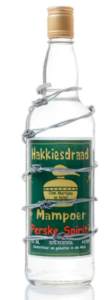
Popular brands like Hakkiesdraad Mampoer clock in at 50% ABV, while craft producers like Schoemanati offer their varieties at 52%. Sidecar Spirits keeps it slightly tamer at 43% ABV. The traditional test for readiness? Light it on fire – if the flame burns blue, it’s at drinking strength. How lekker is that?
Number of Calories: What You’re Really Drinking
Given mampoer’s high alcohol content, the calorie count is no joke. A standard 25ml shot of 50% ABV mampoer contains approximately 88 calories, while a 64% ABV version packs about 113 calories per shot. For comparison, a 40% ABV vodka shot has roughly 55 calories.
Since mampoer is a pure distillate with no added sugar or additives (in quality brands, anyway), all those calories come straight from alcohol itself. Remember, alcohol delivers about 7 calories per gram. If you’re counting macros, you might want to budget accordingly – or just enjoy the moment and worry about it tomorrow.
Tasting Notes: Intense Fruit Fire
Tasting mampoer is an experience. The nose hits you first with intense fruit aromatics – whether it’s the sweet perfume of peach, the citrus brightness of orange, or the exotic funk of marula. There’s an unmistakable sharpness that warns you what’s coming.
On the palate, expect an immediate burst of concentrated fruit flavour followed by serious heat. Quality mampoer delivers smoothness despite the fire, with the fruit character shining through rather than being masked by harsh alcohol burn. Peach mampoer offers stone fruit sweetness with a hint of almond, while marula brings tropical notes with earthy undertones.
The finish is long and warming, often leaving a slight nuttiness or toasted character on the tongue. After the initial punch, there’s surprising complexity if you’re brave enough to sip rather than shoot. But let’s be honest – most people aren’t sipping mampoer contemplatively. This is a social drink, meant for celebration and storytelling.
Best Served With
Mampoer is traditionally enjoyed neat at room temperature in small glasses, often accompanied by the same fruit it’s distilled from. In true South African style, it’s best shared around a braai fire with good mates and even better stories.
Want to pair it with food? Think rich, fatty meats like boerewors, ribeye steak, or lamb sosaties – the spirit cuts through the richness beautifully. Biltong and droëwors are classic snacks. For dessert, try it alongside koeksisters or malva pudding for a properly South African experience.
Some locals love it as a digestif after a heavy meal, while others prefer it as a palate cleanser between courses at a braai. The bold among us mix it with fresh fruit juice or ginger beer, though purists might call that sacrilege. There’s also the infamous bokdrol spoeg game at festivals – but we’ll let you Google that one yourself.
Where to Buy: Getting Your Hands on the Good Stuff
Specific Retailers
You can find quality mampoer at various retailers across South Africa:
Draymans Brewery & Distillery – The home of Hakkiesdraad Mampoer (Peach, Marula, Litchi, Cherry) Website: draymans.com
Schoemanati – Traditional craft mampoer in multiple fruit varieties Prices: R170 per 1L bottle (52% ABV) Varieties: Peach, Apple, Orange, Pear, Plum Website: schoemanati.co.za
Bar Keeper (Cape Town) – Hakkiesdraad Mampoer Price: R299 per 750ml bottle Address: 103 Strand St, Cape Town Contact: 021 422 1024
Sidecar Spirits – Peach Mampoer Alcohol: 43% ABV Website: sidecarspirits.co.za
Babylonstoren – Blood Orange Mampoer (craft offering) Website: shop.babylonstoren.com
Call a Drink – Delivery service covering Western Cape and national Delivery: R200 (Helderberg within 1 hour, National 3+ days) Contact: 07661 73773
Prices
Expect to pay between R170 and R350 for a bottle, depending on the brand and alcohol content. Craft distillers like Schoemanati offer excellent value at R170 for a 1L bottle, while premium brands like Hakkiesdraad retail around R299 for 750ml. Specialty flavours and limited editions may command higher prices.
At bars and clubs, mampoer shots typically range from R35 to R65, depending on the establishment and brand. Some upmarket venues charge more for craft varieties.
FAQs: Everything You Wanted to Know About Mampoer
Is mampoer legal in South Africa? Yes! Since 2007, South Africans can legally distill mampoer at home for personal use without a license. However, selling mampoer requires proper licensing and compliance with regulations. Commercial producers must register with authorities and follow strict quality standards.
What’s the difference between mampoer and witblits? The main difference is the base ingredient: mampoer is made from fruit (peaches, apricots, marula, etc.), while witblits is made from grapes. Both are unaged, clear spirits with high alcohol content, but mampoer has more fruit character while witblits is grape-forward.
How strong is mampoer compared to vodka? Mampoer is significantly stronger than vodka. While vodka typically sits at 40% ABV, mampoer ranges from 43% to 80% ABV, with most commercial brands around 50-52%. That’s 20-100% stronger than your average vodka!
Can you use mampoer for cocktails? Absolutely! While traditionalists prefer it neat, mampoer makes fantastic cocktails. Try it in place of vodka or gin in your favourite mixed drinks, or create South African-inspired cocktails with rooibos, buchu, or local fruits. Just remember it’s stronger, so adjust proportions accordingly.
Where can I taste mampoer before buying? The annual Mampoer Festival at Willem Prinsloo Museum (running for over 40 years) is the perfect place to sample different varieties from traditional distillers across South Africa. Many farm stalls and craft distilleries also offer tastings – just make sure you have a designated driver!
Is mampoer safe to drink? Quality mampoer from licensed producers is perfectly safe when consumed responsibly. Avoid illegally produced mampoer from unknown sources, as improper distillation can result in dangerous methanol contamination. Stick to reputable brands and producers who separate heads and tails properly.
Whether you’re a mampoer veteran or a curious first-timer, this uniquely South African spirit deserves respect – both for its potency and its place in our heritage. So raise a glass (a small one!), share a story, and savour a taste of liquid South African history. Just remember: mampoer doesn’t do half measures, and neither should you.
Cheers, or as we say here – Gesondheid!